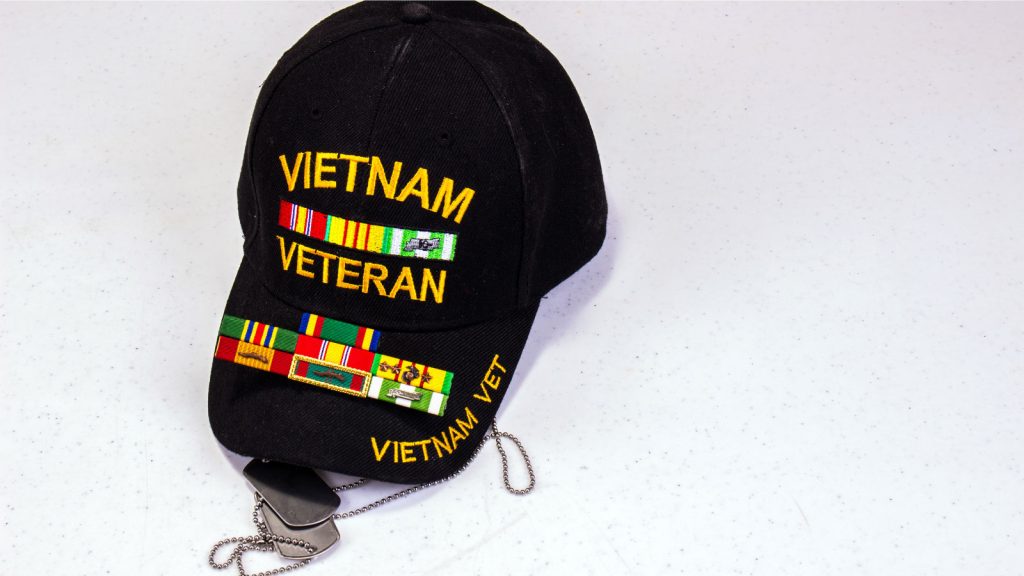

Military spouses make tremendous sacrifices in service to our country. They move their families across the country and around the world, often putting their own careers on hold to support their veteran’s military service. The Department of Veterans Affairs (VA) provides several benefits to help support spouses of veterans.
VA benefits for spouses include monthly tax-free payments for care costs, comprehensive health insurance, home loan assistance, and educational opportunities. Understanding these programs can provide crucial financial support and peace of mind for military families.
Aid and Attendance Benefits for Spouses
The Aid and Attendance benefit is one of the most valuable VA programs available to spouses of veterans. This enhanced pension provides monthly tax-free payments to help cover the cost of long-term care services when a spouse needs assistance with daily living activities.
A married veteran with a dependent spouse who both qualify for Aid and Attendance can receive up to $3,845 per month ($46,143 annually) to help pay for:
- Home care services from professional caregivers
- Assisted living facility costs
- Adult day care programs
- Memory care for dementia or Alzheimer’s
- Skilled nursing facility care
If only the spouse needs care, a married veteran household can receive up to $2,874 per month ($34,489 annually) in Aid and Attendance benefits.
To qualify for Aid and Attendance as a spouse, the following requirements must be met:
- The veteran must have served at least 90 days of active duty, with at least one day during a period of war
- The veteran must have received an honorable discharge or other than dishonorable discharge
- The spouse needs assistance with activities of daily living such as bathing, dressing, eating, toileting, or mobility
- The household must meet VA income and asset requirements
- The veteran must be at least 65 years old or permanently and totally disabled
The VA looks at your combined household income and unreimbursed medical expenses to determine eligibility. Medical expenses can include insurance premiums, prescription costs, and payments to caregivers or facilities. These expenses are deducted from your countable income, which often allows families to qualify even with substantial Social Security or pension income.
An important note: the spouse does not need to be a certain age to qualify. If the spouse needs care and meets the medical requirements, they can receive benefits regardless of their age. Home care can be provided by a family member, friend, or professional caregiver—the caregiver does not need to be licensed or certified.
CHAMPVA Health Care Coverage
The Civilian Health and Medical Program of the Department of Veterans Affairs (CHAMPVA) provides comprehensive health insurance coverage to eligible spouses. This benefit covers most medical services and supplies, including:
- Doctor visits and specialist care
- Hospital inpatient and outpatient services
- Prescription medications
- Mental health services
- Durable medical equipment
- Emergency care
- Ambulance services
You may qualify for CHAMPVA if you are the spouse of a veteran who is:
- Permanently and totally disabled due to a service-connected condition
- Rated by the VA as permanently and totally disabled from a service-connected disability
CHAMPVA works like regular health insurance. You typically pay a small copay for services, and the program covers 75% of most covered services after you meet an annual deductible of $50 per person. The maximum out-of-pocket expense per family per year is $3,000.
CHAMPVA is particularly valuable for spouses who are not yet eligible for Medicare or who need coverage that supplements Medicare. If you have other health insurance, CHAMPVA typically serves as secondary coverage.
VA Home Loan Benefits
Spouses of veterans can benefit from VA home loans when purchasing a home with their veteran spouse. These loans offer significant advantages over conventional mortgages:
- No down payment required
- No private mortgage insurance (PMI)
- Competitive interest rates typically below conventional mortgages
- Limited closing costs
- More flexible qualification requirements
- Options for refinancing to lower rates or access equity
While the VA home loan benefit is technically tied to the veteran’s service, spouses benefit directly from these advantages when purchasing a home together. The loan can be used multiple times throughout the veteran’s lifetime, allowing families to move and purchase new homes as needed.
VA loans can also be used for refinancing, home improvements, and even to build a new home. These flexible options help military families achieve homeownership and build equity over time.

Education and Career Benefits
The VA offers education assistance to help military spouses pursue training, education, or career goals. These programs recognize that military spouses often sacrifice their own career advancement due to frequent moves and the demands of military life.
Under the Post-9/11 GI Bill, veterans can transfer their education benefits to their spouses. This allows spouses to use the veteran’s education benefits for:
- College or university degree programs
- Vocational or technical training
- Apprenticeships or on-the-job training
- Licensing and certification tests
- Flight training and correspondence courses
To transfer benefits, the veteran must have at least six years of service in the Armed Forces and agree to serve four additional years. The veteran can transfer benefits while still in service or after separation, but must designate the spouse as a beneficiary while still on active duty.
Additionally, the MyCAA (Military Spouse Career Advancement Accounts) program provides up to $4,000 in financial assistance for military spouses to pursue licenses, certifications, or associate degrees in portable career fields. This program is available to spouses of service members in pay grades E-1 to E-5, W-1 to W-2, and O-1 to O-2.
Understanding Income and Asset Limits
For needs-based benefits like Aid and Attendance, the VA examines your household’s countable income and net worth to determine eligibility. This is often the most confusing aspect of the application process, but understanding these rules can help you prepare a strong application.
Countable income includes:
- Social Security benefits for both spouses
- Retirement and pension income
- Interest and dividend income
- Rental income
- Employment wages
However, you can deduct unreimbursed medical expenses from your countable income. These deductions are crucial for qualifying and can include:
- Health insurance premiums for both spouses
- Medicare Part B and Part D premiums
- Prescription medications and over-the-counter drugs prescribed by a doctor
- Costs for paid caregivers, whether professional or family members
- Assisted living or nursing home expenses
- Medical equipment and supplies
- Transportation to medical appointments
- Home modifications for medical purposes
The VA also examines your net worth, which includes assets like savings accounts, stocks, bonds, and property (excluding your primary residence and up to two acres of land). For 2026, the net worth limit is $163,699.
The VA considers whether your assets are large enough that you should be using them for care before receiving VA benefits. However, this is not a hard cutoff—the VA examines each case individually. Factors like age, life expectancy, income, and monthly expenses all play a role in the determination.
There is also a three-year look-back period on asset transfers. If you transferred assets for less than fair market value during the three years before applying, it could result in a penalty period where you’re ineligible for benefits.
How to Apply for VA Spouse Benefits
Applying for VA benefits requires gathering documentation and completing detailed forms. The process varies depending on which benefit you’re seeking, but careful preparation significantly improves your chances of approval.
Required documentation typically includes:
- Marriage certificate
- Veteran’s DD-214 (Certificate of Release or Discharge from Active Duty)
- Financial records including bank statements for all accounts
- Documentation of all income sources (Social Security statements, pension statements, etc.)
- Medical records documenting the need for care and assistance
- Physician statement on VA Form 21-2680 describing care needs
- Documentation of all unreimbursed medical expenses
For Aid and Attendance benefits, you’ll file VA Form 21P-527EZ (Application for Pension). For CHAMPVA, you’ll use VA Form 10-10d. Each benefit has its own application form and requirements.
The application process can be complex, and mistakes or missing information often lead to delays or denials. Many families find it helpful to work with a VA-accredited representative who specializes in these benefits to ensure their application is complete and accurate.
Processing times vary significantly. CHAMPVA applications typically process within 6-8 weeks. Aid and Attendance claims can take anywhere from 3 months to over a year, depending on the complexity of the case and the volume of claims at the VA regional office.
Common Mistakes to Avoid
Many applications are delayed or denied due to preventable errors. Here are the most common mistakes to avoid:
- Incomplete financial documentation – The VA needs statements for all accounts, not just checking and savings. Include investment accounts, IRAs, and any other assets.
- Inadequate medical evidence – The physician statement must specifically describe what activities the spouse cannot perform independently. Generic statements like ‘needs assistance’ are not sufficient.
- Incorrect wartime period verification – Not all service periods qualify. The veteran must have served during a period of war as defined by Congress, and service must meet the 90-day minimum.
- Failing to document all medical expenses – Keep receipts and records for every medical expense, including cash payments to family caregivers.
- Not disclosing all assets – The VA will discover undisclosed assets, which can result in denial or fraud allegations.
- Missing the care requirement – Simply being elderly is not enough. There must be documented need for assistance with at least two activities of daily living.
Taking time to gather complete documentation and understand eligibility requirements before applying can save months of back-and-forth with the VA and prevent denials.
Getting Help with Your Application
VA benefits for spouses provide critical financial support to help families maintain independence and access quality care. Whether you’re seeking Aid and Attendance benefits to help pay for long-term care, CHAMPVA health insurance coverage, or exploring education benefits, these programs recognize the sacrifices made by military families.
The application process can be overwhelming, with complex forms, strict documentation requirements, and confusing eligibility rules. Understanding which benefits you may qualify for, gathering the right documentation, and properly completing the forms are essential steps toward approval.
If you’re unsure where to start or need assistance navigating the VA system, contact one of our expert VA Benefit Consultants at (844) 757-3047 or click here. Our team can help you determine which benefits you may qualify for, gather the necessary documentation, and guide you through the application process to maximize your chances of approval.
If you or a loved one served our country, let us help you secure
the benefits you’ve earned.
Journey Today
Frequently Asked Questions About VA Benefits for Spouses
What VA benefits are available to spouses of veterans?
Spouses of veterans may qualify for Aid and Attendance benefits (up to $3,845/month for married couples), CHAMPVA health insurance, VA home loan benefits, and education benefits through the Post-9/11 GI Bill transfer or MyCAA program. The specific benefits available depend on the veteran’s service history, disability rating, and the spouse’s care needs.
Can a spouse receive Aid and Attendance if the veteran is still living?
Yes. A married veteran household can receive up to $2,874 per month if only the spouse needs care, or up to $3,845 per month if both the veteran and spouse need care. The veteran must meet service requirements (90 days active duty with at least one day during wartime, honorable discharge), and the spouse must need assistance with activities of daily living like bathing, dressing, or mobility.
Does the spouse need to be a certain age to qualify for Aid and Attendance?
No. There is no age requirement for the spouse. If the spouse needs care and meets the medical requirements for assistance with daily activities, they can receive Aid and Attendance benefits regardless of age. The veteran must be at least 65 years old or permanently and totally disabled, but the spouse’s age is not a factor.
What is CHAMPVA and who qualifies?
CHAMPVA (Civilian Health and Medical Program of the Department of Veterans Affairs) is comprehensive health insurance for spouses of veterans who are permanently and totally disabled due to a service-connected condition. It covers doctor visits, hospital care, prescriptions, mental health services, and emergency care. You pay a $50 annual deductible per person, then CHAMPVA covers 75% of most services with a $3,000 maximum annual out-of-pocket per family.
Can family members be paid caregivers for a spouse receiving Aid and Attendance?
Yes, family members (except the spouse) can be paid as caregivers, and these payments count as qualifying medical expenses that reduce countable income. You need a written caregiver agreement documenting services, hours, and payment amounts. The caregiver does not need to be licensed or certified. Professional caregivers, family caregivers, or a combination can provide the care.
What income and assets can a spouse have and still qualify for Aid and Attendance?
For 2026, the net worth limit is $163,699 (excluding your primary home and up to two acres). Countable income includes Social Security, pensions, and wages, but you can deduct unreimbursed medical expenses like insurance premiums, prescription costs, caregiver payments, and assisted living costs. These deductions often allow families with substantial income to qualify. The VA examines each case individually based on age, life expectancy, and monthly expenses.
How do VA home loan benefits work for spouses?
Spouses benefit from VA home loans when purchasing with their veteran spouse. Benefits include no down payment required, no private mortgage insurance (PMI), competitive interest rates below conventional mortgages, limited closing costs, and flexible qualification requirements. The loan can be used multiple times throughout the veteran’s lifetime for purchases, refinancing, home improvements, or building a new home.
Can a veteran transfer GI Bill education benefits to their spouse?
Yes, under the Post-9/11 GI Bill, veterans can transfer education benefits to spouses for college degrees, vocational training, apprenticeships, licensing tests, and flight training. The veteran must have at least six years of service and agree to serve four additional years. Benefits must be designated while the veteran is still on active duty. Additionally, the MyCAA program provides up to $4,000 for spouses of service members in lower pay grades for portable career training.
How long does it take to get approved for VA spouse benefits?
Processing times vary by benefit type. CHAMPVA applications typically process within 6-8 weeks. Aid and Attendance claims take 3 months to over a year depending on application completeness and VA regional office workload. Complete documentation and working with a VA-accredited representative can significantly reduce processing time by avoiding delays from missing information or development requests.
What documentation is needed to apply for VA spouse benefits?
Required documentation includes marriage certificate, veteran’s DD-214, financial records (bank statements for all accounts), documentation of all income sources, medical records documenting care needs, physician statement on VA Form 21-2680, and documentation of all unreimbursed medical expenses. For Aid and Attendance, file VA Form 21P-527EZ. For CHAMPVA, use VA Form 10-10d. Complete, accurate documentation is critical to avoid delays or denials.