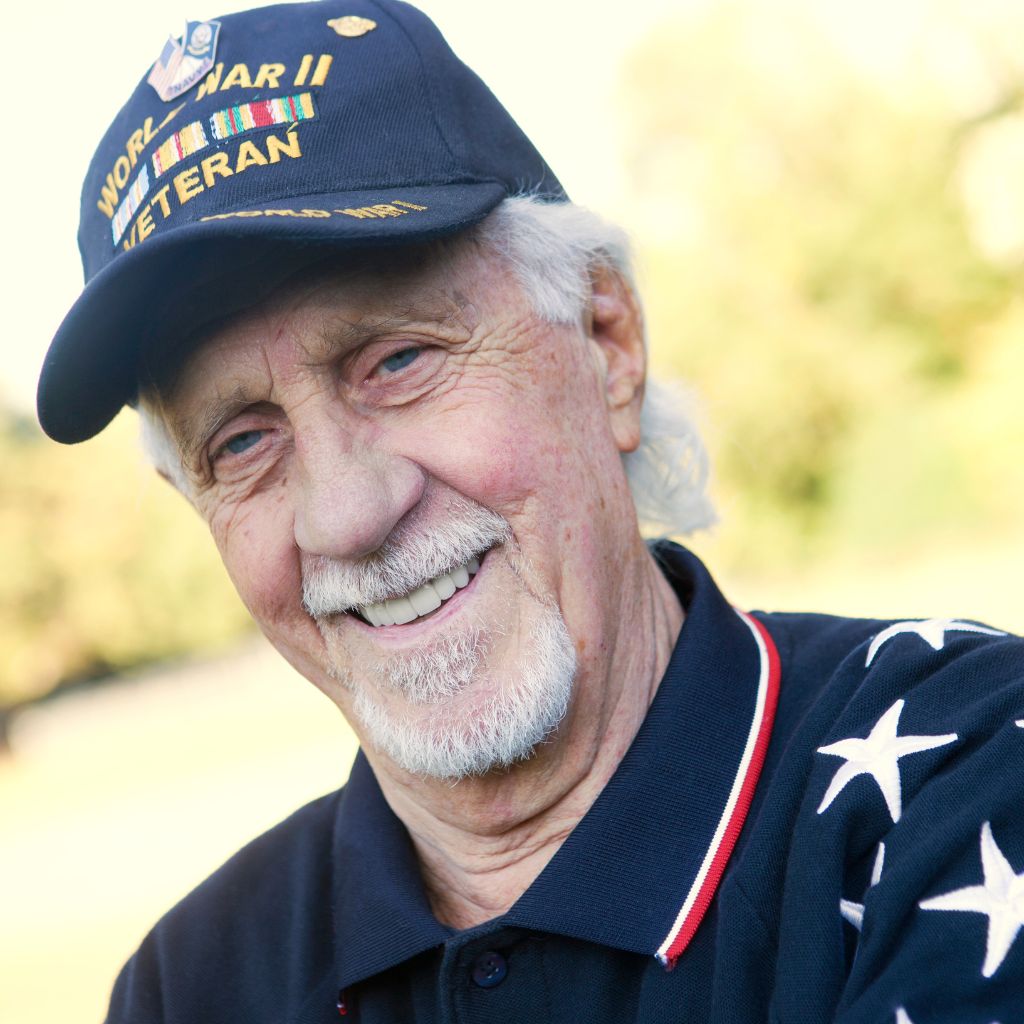
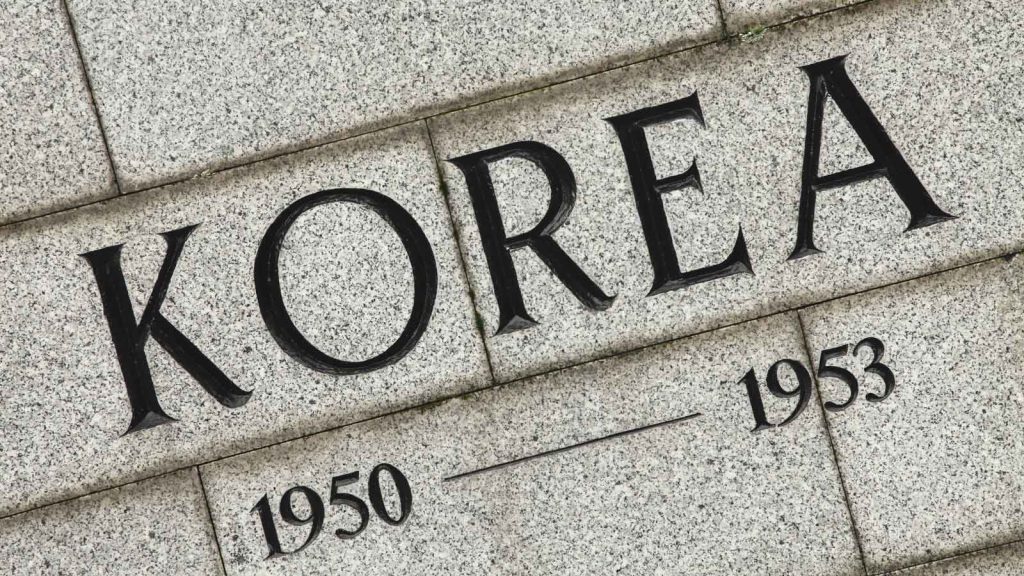
The Korean War lasted from 1950 to 1953, and is sometimes called America’s “Forgotten War” — overshadowed in public memory by World War II before it and Vietnam after it. But the more than 5.7 million Americans who served during the Korean Conflict era earned the same VA benefits as veterans of any other wartime period, and those benefits extend to their surviving spouses.
Today, most living Korean War veterans are in their 90s, and many have already passed away. As a result, the surviving spouse — not the veteran — is now the primary person able to claim these benefits. And while most Korean War veterans were men, women also served during this era in the Women’s Army Corps, Navy Nurse Corps, and other branches, so a surviving spouse may be a widow or a widower.
This guide covers every VA benefit a surviving spouse of a Korean War veteran may qualify for — what each one provides, who’s eligible, and how to apply.
Do Surviving Spouses of Korean War Veterans Qualify for VA Benefits?
Yes. The VA offers several benefit programs for surviving spouses of wartime veterans, and Korean War service qualifies for all of them. Eligibility is based on the veteran’s service record — not the surviving spouse’s own background — so the surviving spouse does not need to have served in the military themselves.
What matters most is the veteran’s discharge status, the dates of their service, and in some cases the cause of the veteran’s death.
These benefits are not automatic. The VA does not proactively reach out to surviving spouses when they become eligible. A surviving spouse must apply — and many never do, simply because no one told them these benefits existed for Korean War-era service.
Korean War Service Requirements
For most VA pension-based benefits — including Aid & Attendance and Survivors Pension — the VA recognizes the Korean Conflict as running from June 27, 1950 to January 31, 1955. To establish eligibility, the veteran generally must have:
- Served at least 90 days of active duty, with at least one day during the Korean Conflict period
- Received a discharge under conditions other than dishonorable
Serving in combat is not required. Many surviving spouses are surprised to learn that stateside service during this period — at a base in the U.S. or elsewhere — still counts. If the veteran wore the uniform during this window and met the discharge requirement, that service can establish eligibility for the benefits below.
1. Aid & Attendance — Monthly Payments for Care Needs
For surviving spouses who need help with daily activities — bathing, dressing, getting around, managing medications — VA Aid & Attendance is often the most valuable benefit available. It’s a tax-free monthly payment that can go toward in-home care, assisted living, memory care, or nursing home care.
Aid & Attendance for a surviving spouse is an addition to the VA Survivors Pension. To qualify, the surviving spouse generally must:
- Have been married to a veteran who meets the Korean Conflict service requirements above
- Not have remarried (with limited exceptions)
- Need assistance with activities of daily living, or be otherwise housebound
- Have income and net worth within VA limits — the net worth limit in 2026 is $163,699
In 2026, the Aid & Attendance benefit for a surviving spouse is $1,558 per month, entirely tax-free. For full details on eligibility, the application process, and current rates, see our Aid & Attendance for Surviving Spouses guide and our 2026 benefit rates page.
2. Dependency and Indemnity Compensation (DIC)
Dependency and Indemnity Compensation — known as DIC — is a separate benefit for surviving spouses whose veteran died from a service-connected condition, or was rated totally disabled due to a service-connected condition for at least 10 years before death. Unlike Aid & Attendance, DIC has no income or net worth limits.
For Korean War veterans, this can include service-connected conditions that developed or worsened over decades — including disabilities related to combat injuries, cold weather exposure during harsh Korean winters, or other documented service-connected illnesses.
In 2026, the base DIC rate for a surviving spouse is $1,699.36 per month, tax-free, with additional amounts possible depending on circumstances. For a full comparison of the two programs, see our guide to DIC vs. Aid & Attendance.
3. VA Survivors Pension (Without Aid & Attendance)
A surviving spouse who doesn’t currently need help with daily activities — and therefore doesn’t qualify for Aid & Attendance — may still be eligible for the base VA Survivors Pension. This is the underlying pension program that Aid & Attendance is built on top of, providing supplemental income for surviving spouses of wartime veterans with limited income and net worth.
Importantly, this benefit isn’t permanent or fixed. If care needs increase over time, the surviving spouse can apply to have the benefit upgraded to the Aid & Attendance level without starting the application process over.
Survivors Pension and DIC cannot be paid at the same time. A surviving spouse who qualifies for DIC is generally better served by it — it pays more and has no income or net worth test. However, surviving spouses can switch between the two programs if circumstances change.
Did Your Spouse Serve During the Korean War?
Our Benefit Specialists, working under the guidance of our VA-accredited attorney, will review your situation and help you understand which VA benefits you may qualify for.
See If You Qualify4. CHAMPVA Health Insurance
Surviving spouses of veterans who were rated permanently and totally disabled due to a service-connected condition — or whose veteran died in the line of duty or from a service-connected cause — may qualify for CHAMPVA (Civilian Health and Medical Program of the Department of Veterans Affairs). CHAMPVA covers most medical services, including inpatient and outpatient care, prescriptions, mental health services, and home health care.
CHAMPVA isn’t available to surviving spouses who qualify for DIC and are also covered by Medicare or another federal health program — but for those without other coverage, it can be a meaningful benefit. Eligibility requires that the surviving spouse hasn’t remarried before age 55.
5. VA Home Loan Benefit
Surviving spouses of veterans who died in service or from a service-connected disability — and who haven’t remarried — may be eligible to use the VA home loan benefit. This allows the surviving spouse to purchase a home with no down payment, no private mortgage insurance, and competitive government-backed interest rates.
Surviving spouses of veterans rated permanently and totally disabled may also be eligible for a property tax exemption in many states, which can meaningfully reduce housing costs on a fixed income. Exemption rules vary — check with your state’s veterans affairs office for specifics.
6. VA Burial Benefits
Korean War veterans — and in many cases their surviving spouses — are entitled to several burial and memorial benefits through the VA.
- Burial in a national cemetery. Eligible veterans are entitled to burial in any VA national cemetery at no cost, including the gravesite, liner, headstone or marker, and perpetual care. An eligible surviving spouse may also be buried alongside the veteran at no cost.
- Headstone or marker. The VA provides a headstone, marker, or medallion for the veteran’s grave at no cost, in a national or private cemetery.
- Burial flag. An American flag is provided to drape the casket of an eligible veteran, then given to the next of kin.
- Presidential Memorial Certificate. An engraved certificate signed by the President, provided to the next of kin at no cost.
- Burial allowance. A partial burial allowance may be available for veterans who were receiving VA pension or disability compensation at the time of death.
Plan ahead when possible. Families who know about these benefits in advance can make arrangements ahead of time and avoid missing anything. The VA’s National Cemetery Scheduling Office can be reached at 1-800-535-1117.
How These Benefits Work Together
Understanding how these programs relate to one another is one of the trickier parts of navigating VA benefits for Korean War surviving spouses. A few key rules to know:
- Survivors Pension and DIC cannot be paid at the same time. If a surviving spouse qualifies for DIC, it’s generally the better option — but switching between the two is possible if circumstances change.
- DIC and Aid & Attendance can be combined. A surviving spouse receiving DIC who also needs personal care assistance may qualify for an Aid & Attendance addition on top of the DIC base rate.
- CHAMPVA generally isn’t used alongside Medicare. Surviving spouses with Medicare coverage typically use that as their primary insurance, with CHAMPVA more relevant for those without other coverage.
- Survivors Pension can be upgraded. If care needs increase later, the benefit can be upgraded to the Aid & Attendance level without restarting the application.
Because the right combination depends on the veteran’s service record, cause of death, current care needs, and financial situation, the best approach is to have a knowledgeable benefits specialist review the specific details before applying.
How Patriot Angels Helps Korean War Surviving Spouses
Patriot Angels has helped more than 30,000 veterans and surviving spouses secure over $1 billion in VA benefits since 2012. Our Benefit Specialists work under the guidance of our VA-accredited attorney and can review a Korean War veteran’s service record to identify every benefit a surviving spouse may qualify for.
Many surviving spouses had no idea these benefits existed until someone brought it to their attention. If you’re the surviving spouse of a veteran who served during the Korean War — or you’re helping a parent or family member navigate their options — call us at (844) 757-3047 or visit our free consultation page to get started.
If you or a loved one served our country, let us help you secure
the benefits you’ve earned.
Journey Today
Frequently Asked Questions About Korean War Veteran Widow Benefits
Common questions from surviving spouses of Korean War veterans and their families about VA benefits.
What VA benefits are available to surviving spouses of Korean War veterans?
Surviving spouses of Korean War veterans may qualify for Aid & Attendance pension (up to $1,558/month tax-free in 2026 for those who need care assistance), Dependency and Indemnity Compensation (DIC) if the veteran’s death was service-connected, base VA Survivors Pension, CHAMPVA health insurance, VA home loan benefits, and VA burial benefits. Eligibility depends on the veteran’s service dates, discharge status, and cause of death, as well as the surviving spouse’s care needs and financial situation.
Does my spouse’s Korean War service qualify even if they weren’t in combat?
Yes. For Aid & Attendance and Survivors Pension, the veteran must have served at least 90 days of active duty with at least one day between June 27, 1950 and January 31, 1955, and received a discharge other than dishonorable. Combat service is not required — stateside service during this period counts toward eligibility.
How much does the VA pay a Korean War veteran’s surviving spouse?
The amount depends on which benefit applies. In 2026, the Aid & Attendance benefit for a surviving spouse is $1,558 per month tax-free. The base DIC rate is $1,699.36 per month with no income or net worth test. Base Survivors Pension without Aid & Attendance is a lower amount based on income. A benefits specialist can help determine which program applies and the likely benefit amount.
What if my spouse never applied for VA benefits before passing away?
It doesn’t matter. A surviving spouse can qualify for these benefits independently, even if the veteran never filed a claim or engaged with the VA during their lifetime. Eligibility is based on the veteran’s service record and discharge status — not on whether the veteran ever received benefits themselves.
Can a surviving spouse receive both DIC and Aid & Attendance?
Yes, in certain circumstances. A surviving spouse receiving DIC who also needs personal care assistance may qualify for an Aid & Attendance addition on top of the DIC base rate. What cannot be combined is DIC and VA Survivors Pension — a surviving spouse receives one or the other, not both.
Does my spouse have to have died from a service-connected cause for me to qualify?
No. Aid & Attendance pension and VA Survivors Pension are not tied to the cause of the veteran’s death and are available to surviving spouses of wartime veterans regardless of how the veteran died, provided eligibility requirements are met. DIC, however, does require the veteran to have died from a service-connected condition, or to have been rated totally disabled for at least 10 years prior to death.