
On this page
Colorado Assisted Living by the Numbers
The Colorado partner network spans 18 cities, led by Colorado Springs and Denver.
What Assisted Living Costs in Colorado, and How Far Aid & Attendance Goes
The Colorado median for assisted living is $6,584 a month ($79,005 a year), according to the CareScout (Genworth) 2025 Cost of Care Survey. That is 6% above the national median of $6,200. For a Colorado veteran approved for the maximum, up to $3,845 a month would leave about $2,739 a month to cover from Social Security, a pension, or savings.
| Setting | Colorado median per month | U.S. median per month | Covered by up to $3,845 |
|---|---|---|---|
| Assisted living | $6,584 | $6,200 | 58% |
| In-home care (non-medical) | $7,913 | $6,673 | 49% |
| Adult day care | $2,275 | $2,058 | 100% |
| Nursing home, semi-private room | $10,159 | $9,581 | 38% |
| Nursing home, private room | $12,182 | $10,798 | 32% |
Statewide medians for Colorado from the CareScout (Genworth) Cost of Care Survey 2025. Prices at individual communities depend on apartment size and care level.
Related Patriot Angels guides
 GuideDo Assisted-Living Fees Count as Medical Expenses for VA Aid & Attendance?Coming soon
 Guide2026 Aid and Attendance Benefit RatesRead guide →
See What a Colorado Veteran Could Receive Toward Assisted Living
At the Colorado median of $6,584 a month, up to $3,845 in Aid & Attendance would pay about 58% of the cost for a qualifying veteran or surviving spouse. Tell us about your Colorado veteran and we will help you see what is possible.
Prefer to talk it through? Call (844) 757-3047
342,276 Colorado Veterans and Their Families
Colorado is home to 342,276 veterans, 147,121 of them 65 or older, according to the Census Bureau’s American Community Survey (2020–2024). In Colorado, as everywhere, wartime service counts, not combat, so a veteran who served stateside during Vietnam may still qualify.
Where Colorado Partners Are Located
Patriot Angels works with 39 Colorado assisted living partners. These cities have the most:
| City | Partner communities | Also offer memory care |
|---|---|---|
| Colorado Springs | 7 | 4 |
| Denver | 6 | 4 |
| Loveland | 4 | 4 |
| Greeley | 3 | 3 |
| Grand Junction | 3 | 3 |
| Greenwood Village | 2 | 1 |
| Arvada | 2 | 2 |
| Pueblo | 2 | 0 |
Operators with the most Colorado partner locations: Brookdale (19), Discovery Senior Living (7), Cogir Senior Living (3).
Featured Colorado Partners


How Colorado Licenses Assisted Living
Colorado Department of Public Health and Environment, Health Facilities and Emergency Medical Services Division (CDPHE) licenses assisted living residences in Colorado. License categories in Colorado:
- Assisted Living Residence (ALR)
- Secure environment designation for memory care
What it means for your family: Assisted living residences that provide a secured environment for residents with dementia must meet additional CDPHE rules. Because 24 of 39 Colorado partners run memory care too, ask early whether a community can keep your loved one as needs change.
Inspection reports for Colorado communities are available through the CDPHE licensing page.
Paying for Assisted Living in Colorado
Elderly, Blind and Disabled (EBD) Waiver
Under the EBD waiver, assisted living is billed as Alternative Care Facility services.
Aid & Attendance in Colorado
The benefit is paid to the Colorado veteran or surviving spouse, not the community, so it can go toward any assisted living bill. It is not federally taxable.
The family home
Many Colorado families rent out or sell the house. VA counts sale proceeds as assets, so plan the timing.
Long-term care insurance
If your Colorado parent bought a long-term care policy years ago, it may pay a set daily amount toward assisted living.
Find Assisted Living in Your Colorado City
19 Colorado cities have an assisted living page. Counts show partner communities.
Neighboring states: Wyoming, Nebraska, Kansas, Oklahoma, New Mexico, Arizona, Utah.
Veteran Families We’ve Helped
Families in Colorado and across the country rate Patriot Angels 4.9 on Google (465 reviews). BBB A+ accredited. See all reviews
Colorado Assisted Living Questions, Answered
How much is assisted living in Colorado?
The Colorado statewide median is $6,584 a month, or $79,005 a year (CareScout 2025). Each community sets prices by apartment and level of care.
Can Aid & Attendance pay for assisted living in Colorado?
Yes. A qualifying wartime veteran or surviving spouse can receive up to $3,845 a month and use it toward a Colorado assisted living bill, about 58% of the state median.
Who licenses assisted living in Colorado?
Colorado Department of Public Health and Environment, Health Facilities and Emergency Medical Services Division.
Does Colorado Medicaid cover assisted living?
Elderly, Blind and Disabled (EBD) Waiver: Under the EBD waiver, assisted living is billed as Alternative Care Facility services.
How many Patriot Angels partners are in Colorado?
39 assisted living partners in 18 cities, and 24 of them also offer memory care.
New to Assisted Living? Start Here
For services, care levels and tour questions that apply in Colorado and every other state, see the national guide.
Related Patriot Angels guides
 GuideAssisted Living Benefit for Veterans & Surviving SpousesRead guide →
 GuideDoes Medicaid Pay for Assisted Living and Memory Care?Coming soon
 GuideAssisted Living Services, Amenities and Levels of CareComing soon
Other Care Options in Colorado
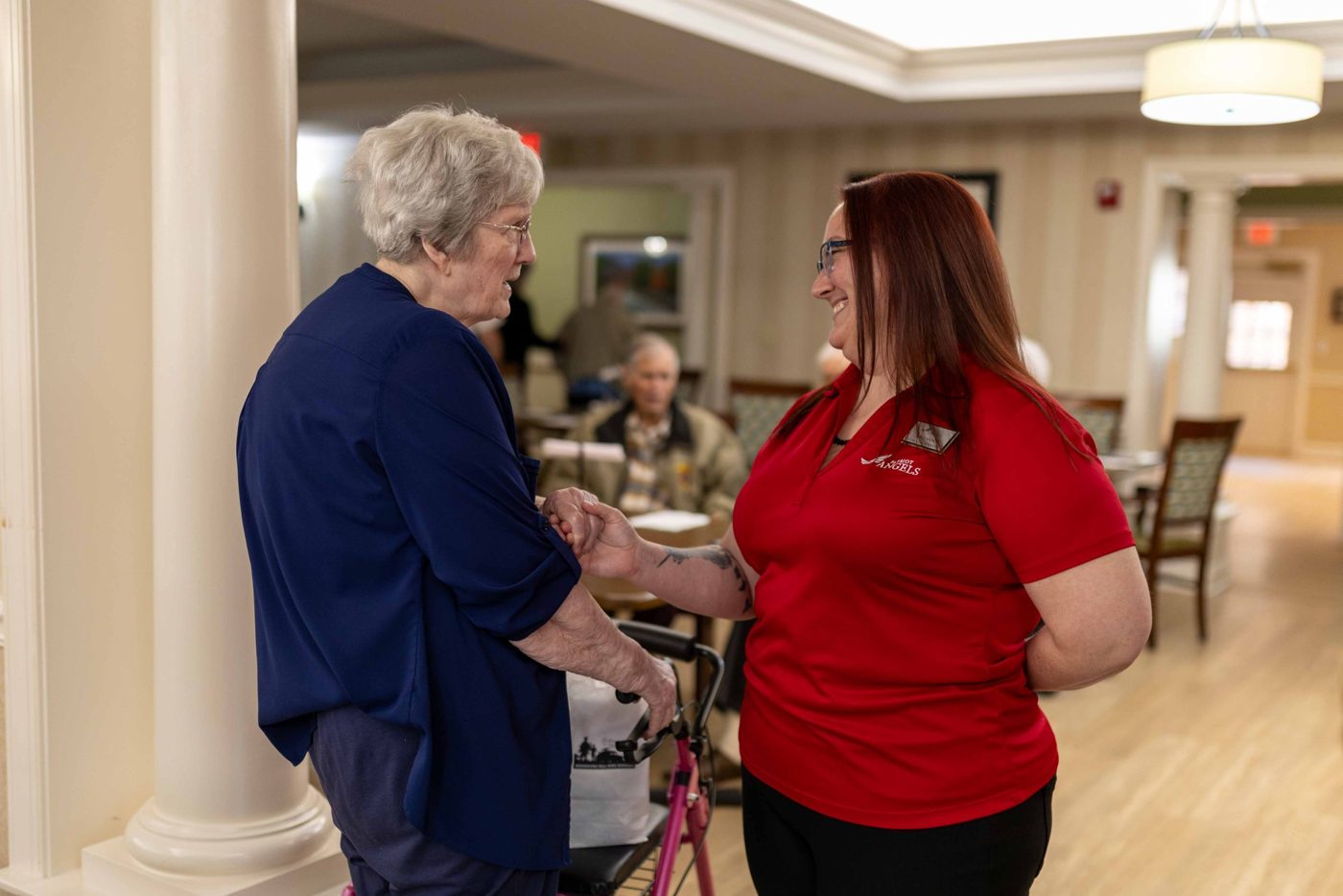
Independent living in Colorado
For Colorado veterans who don’t need daily care yet. 18 of these partners offer it too.

Memory care in Colorado
Secure dementia care in Colorado, offered by 24 of our partners here.

In-home care in Colorado
Caregivers who come to the house, for Colorado veterans staying home longer.