VA Benefits for Assisted Living in Minnesota

Veterans in Minnesota and their surviving spouses may be eligible for VA Aid and Attendance benefits that help pay for assisted living. These monthly benefits can support families planning for long-term care.

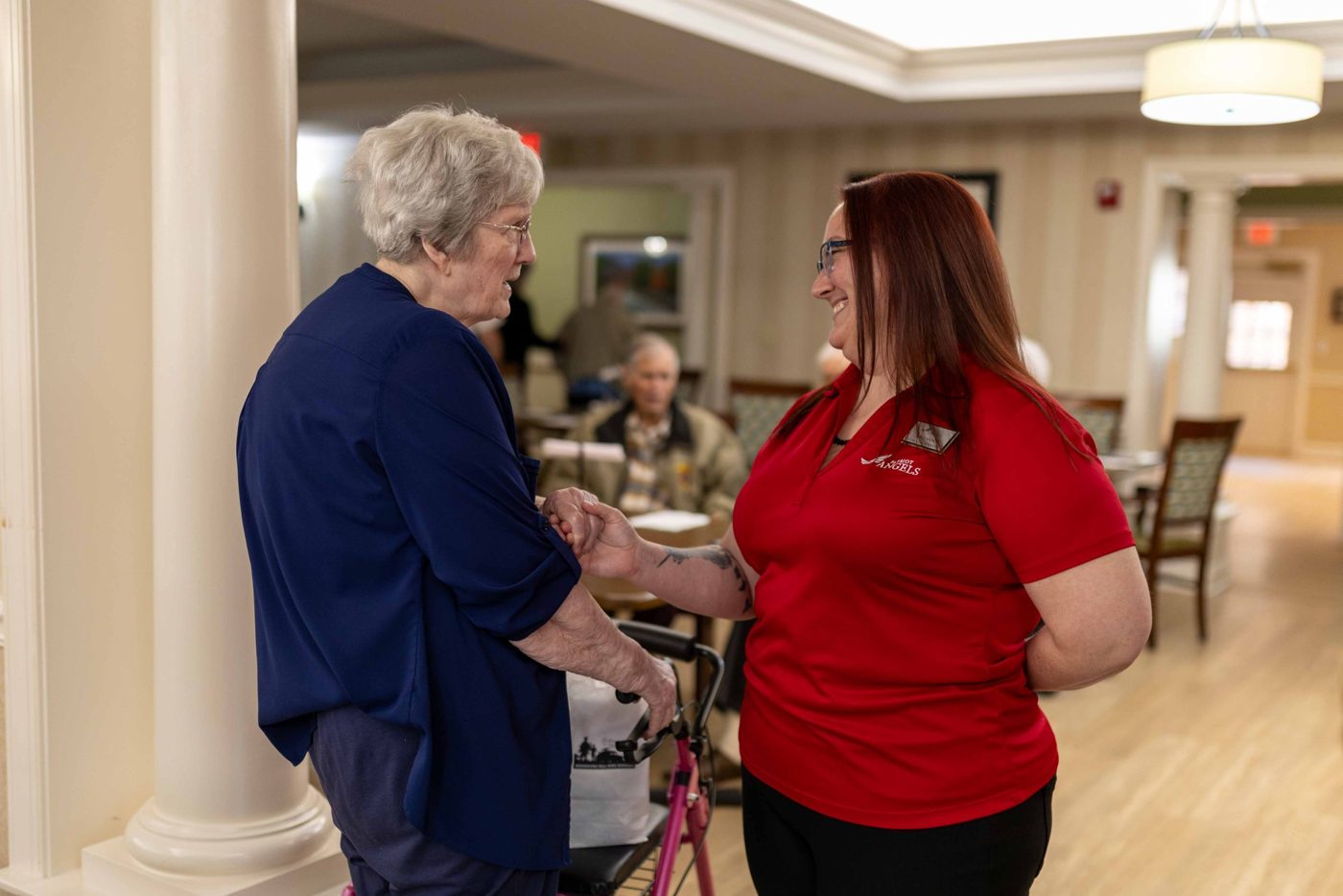
Daily care support for seniors in assisted living in [State Name]

Cost of Assisted Living in Minnesota

Understanding the cost of assisted living is an important part of planning for long-term support. In Minnesota, pricing can vary depending on where a community is located, the type of apartment offered, the amenities available, and how much day-to-day assistance a resident may need.

Assisted living is designed for older adults who may no longer want the responsibilities of living entirely on their own but do not require the intensive medical care provided in a nursing home. Many communities roll several services into one monthly fee, including housing, meals, housekeeping, transportation, social programming, and help with tasks like dressing, bathing, and medication reminders.

For veterans and surviving spouses in Minnesota, the cost of assisted living can become a significant ongoing expense. VA benefits such as Aid and Attendance may help eligible families cover part of that monthly cost, creating more flexibility when choosing a community that offers the right balance of support, comfort, and independence.

Reviewing the average monthly, daily, and annual cost of assisted living in Minnesota can help families plan more confidently, compare options more clearly, and better understand how available VA benefits may fit into the overall cost of care.

How Veterans Pay for Assisted Living in Minnesota

Veterans and families in Minnesota often need a plan for covering the ongoing cost of assisted living. These communities are designed for older adults who may benefit from help with daily activities while still maintaining a level of independence, routine, and community.

Because assisted living is usually paid for month by month, families often look at several financial resources when building a long-term care plan. Depending on the situation, that may include personal savings, retirement income, long-term care insurance, proceeds from the sale of a home, or government benefits.

One of the most important programs to understand is Aid & Attendance. This tax-free VA benefit may provide additional monthly income to eligible wartime veterans and surviving spouses who need assistance with activities of daily living.

Because assisted living communities often provide housing, meals, personal care support, and help with tasks like bathing, dressing, and medication reminders, Aid & Attendance may help reduce part of the monthly out-of-pocket cost for qualifying families.

Patriot Angels helps veterans and surviving spouses in Minnesota understand whether they may qualify and guides families through the VA benefits process with clarity, experience, and personal support.

VA Benefit

Aid & Attendance

Monthly tax-free VA benefit that may help eligible wartime veterans and surviving spouses pay for assisted living and other long-term care services.

Veteran married $2874.00/mo
Veteran single $2424.00/mo
Surviving spouse $1558.00/mo

Estimated Comparison

How the Benefit Compares to Monthly Assisted Living Costs

Average monthly assisted living in MN $5,310.00
$2,874/mo
Estimated monthly out-of-pocket $2,226
Estimated percentage of monthly cost covered 56.4%

VA benefits may not cover the full cost of assisted living, but for qualifying families they may meaningfully reduce monthly out-of-pocket expenses.

How Much Can You Receive with
Aid and Attendance?

The VA Aid and Attendance benefit provides monthly, tax-free financial support to qualifying wartime Veterans and surviving spouses. Payment amounts vary based on marital status and who in the household requires care. These funds are designed to offset the high cost of personal care, assisted living, or nursing home services.

Each year, the VA adjusts maximum benefit amounts to reflect the cost of living. For 2026, eligible applicants may receive up to $3,845 per month in additional income. Actual benefits depend on the applicant’s financial situation and documented care needs.

These rates can make a life-changing difference in covering the cost of care at home or in a senior living community. At Patriot Angels, we help Veterans and their families navigate the application process to ensure they receive the maximum benefit available.

Aid and Attendance Benefit Amounts (2026)

Surviving Spouse: $1,558.00
Veteran Single: $2,424.00
Veteran Married: $2,874.00
Veteran Married to Veteran: $3,845.00
Veteran Married (Spouse only care): $1,903.00
Check Your Eligibility

Who Is Eligible for the Aid and Attendance Benefit?

To qualify, applicants must meet criteria in three areas: military service, health and care needs, and financial limits. Each one plays an important role in determining eligibility.

1. Service Requirements

The VA requires veterans to have served during a recognized wartime period and meet minimum active duty service rules.

  • Veteran or surviving spouse of a veteran.
  • Discharge must not be dishonorable.
  • Wartime service:
    • WWII (Dec 7, 1941 – Dec 31, 1946)
    • Korean Conflict (Jun 27, 1950 – Jan 31, 1955)
    • Vietnam War Era (Aug 5, 1964 – May 7, 1975, or Nov 1, 1955 for in-country service).
    • Gulf War (Aug 2, 1990 – present).
  • Active duty length: 90 days (before Sept 8, 1980) or 24 months (after Sept 7, 1980).

2. Health & Care Needs

Aid and Attendance is designed for veterans and spouses who need daily support due to medical or age-related challenges. Applicants must meet at least one health criteria.

  • Need assistance with two or more activities of daily living (ADLs) — such as bathing, dressing, eating, or mobility (transferring to/from bed).
  • Require a protected living environment due to physical or cognitive issues, such as dementia or Alzheimer’s disease.
  • Have a severe visual impairment — corrected vision of 5/200 or less in both eyes, or concentric contraction of the visual field to 5 degrees or less (VA standard for “legally blind”).

3. Financial Requirements

In addition to service and health criteria, the VA reviews an applicant’s financial situation to ensure the Aid and Attendance benefit goes to families with genuine need. Both assets and income are considered when determining eligibility.

  • The applicant’s net worth must not exceed $163,698 (as of 2026).
  • Net worth = assets + annual income, minus certain deductible expenses like unreimbursed medical or care costs.
  • VA applies a three-year look-back rule on asset transfers:
    • If assets were given away or sold under fair market value within 36 months of application, this may affect eligibility.
  • Monthly income must be limited compared to ongoing medical and care expenses.

Aid & Attendance Help

Find Out Whether Aid & Attendance Can Help Pay for Assisted Living

Aid & Attendance can provide monthly tax-free income that may help qualifying veterans and surviving spouses cover the cost of assisted living. Our team helps families understand eligibility and navigate the VA benefits process with clear, step-by-step support.

Free consultation. No obligation.

Assisted Living Laws and Regulations in Minnesota

Assisted living communities in Minnesota are regulated by the Minnesota Department of Health, Health Regulation Division. The state licenses these communities as Assisted Living Facilities (ALF) and Assisted Living Facilities with Dementia Care (ALFDC), depending on the level of services provided.

Minnesota defines assisted living as a residential setting that provides sleeping accommodations along with assisted living services, including personal care, health-related support, and supervision for adults who need help with daily living activities.

Facility Scope and Core Services

Minnesota assisted living facilities must provide or coordinate a broad range of supportive services.

  • Services include assistance with activities of daily living (ADLs) such as bathing, dressing, and mobility.
  • Facilities may provide medication reminders, health services, and delegated nursing tasks.
  • Programs may deliver specialized diets, therapies, and complex care services.
  • Facilities must provide supervision, safety monitoring, and person-centered care planning.

Admission and Disclosure Requirements

Minnesota requires detailed disclosures and service transparency prior to admission.

  • Facilities must provide a uniform checklist disclosure outlining all services offered.
  • Residents must receive an explanation of the facility’s license category and service limitations.
  • Facilities must provide a written service agreement before move-in.
  • Residents must receive clear information about services not provided by the facility.

Resident Assessment and Care Planning

Minnesota requires structured nursing assessments and ongoing monitoring.

  • A registered nurse must complete an initial assessment prior to admission or move-in.
  • Facilities must develop a temporary service plan based on the initial assessment.
  • Reassessments must occur within 14 days of service initiation and at least every 90 days thereafter.
  • Assessments must reflect person-centered planning and changing resident needs.

Limitations of Services

Minnesota allows facilities flexibility in determining services offered.

  • Facilities may choose which services they provide within their licensed scope.
  • Facilities may limit services based on staffing, licensure, or operational capabilities.
  • Termination may occur if the facility can no longer meet a resident’s needs.
  • Facilities must document reasons for termination and follow proper procedures.

Staffing and Training Requirements

Minnesota requires staffing and training programs tailored to resident needs.

  • Facilities must have a staff member available 24 hours a day, 7 days a week.
  • Secure dementia units must have awake staff onsite at all times.
  • Staff must complete orientation covering resident rights, emergency procedures, and reporting requirements.
  • Direct care staff must complete at least 8 hours of annual training.

Dementia Care and Specialized Services

Minnesota requires enhanced training and staffing for dementia care programs.

  • Staff must complete specialized dementia care training and demonstrate competency.
  • Facilities must use person-centered care approaches for residents with dementia.
  • Programs must provide structured activities and supportive environments.
  • Facilities must document emergency staffing situations when trained staff are unavailable.

Medication Management

Minnesota requires detailed medication management systems.

  • Medication administration includes preparation, administration, and documentation.
  • Facilities must monitor medication effectiveness and coordinate with healthcare providers.
  • Staff must report concerns about medications to licensed professionals.
  • Facilities must maintain secure storage and accurate medication records.

Emergency Preparedness and Infection Control

Minnesota requires comprehensive emergency planning and infection control programs.

  • Facilities must maintain a written emergency disaster plan covering evacuation and sheltering procedures.
  • Facilities must provide emergency training to staff annually.
  • Facilities must implement infection control programs aligned with CDC guidelines.
  • Facilities must maintain tuberculosis control programs and communicable disease reporting systems.

Minnesota Department of Health Contact Information

Minnesota Department of Health
Health Regulation Division
Contact: Daphne Ponds
Email: daphne.ponds@state.mn.us
Website: https://www.health.state.mn.us/facilities/regulation/assistedliving/index.html

Common Questions

Frequently Asked Questions About VA Benefits and Assisted Living

Families often have questions about how VA benefits may help with assisted living costs and what options may be available for veterans and surviving spouses. Below are answers to some of the most common questions about Aid and Attendance, assisted living, and long-term care planning in Minnesota.

Does the VA pay for assisted living?

The VA does not usually pay a private assisted living community directly. However, some veterans and surviving spouses may qualify for benefits that provide monthly financial support which can be used toward assisted living expenses. One of the most important programs is Aid and Attendance, a tax-free VA benefit that may help eligible families offset the cost of long-term care.

Can Aid and Attendance help pay for assisted living?

Yes. Aid and Attendance may help qualifying wartime veterans and surviving spouses pay for assisted living when they need help with activities of daily living such as bathing, dressing, mobility, or medication management. The benefit provides monthly tax-free income that may be used toward qualifying care-related expenses.

How much does assisted living cost in Minnesota?

The cost of assisted living in Minnesota can vary based on the city, community, apartment type, and the amount of support a resident needs each day. Monthly pricing may also reflect the services and amenities included, such as meals, housekeeping, transportation, and personal care assistance. Many families compare these costs with potential VA benefits when planning ahead.

Who qualifies for the Aid and Attendance benefit?

Aid and Attendance may be available to wartime veterans and certain surviving spouses who meet VA service requirements, medical eligibility standards, and financial guidelines. In many cases, the applicant must show a need for help with daily activities such as dressing, bathing, eating, toileting, mobility, or managing medications.

How do veterans apply for Aid and Attendance benefits?

Veterans and surviving spouses apply for Aid and Attendance through the VA pension process. The application usually involves military service records, financial documentation, and medical evidence showing the need for care or personal assistance. Because the paperwork can be detailed, many families choose to work with professionals who understand the process and can help prepare a stronger application.

Sources & Policy References

Research and Policy References for Assisted Living in Minnesota

The information on this page is based on Minnesota assisted living facility regulations, Department of Health resources, and state statutory materials. These sources explain how assisted living facilities and dementia care programs are licensed and regulated across Minnesota.

Because assisted living regulations and oversight standards may change over time, families should verify current information directly with the Minnesota Department of Health and licensed care providers.

Important Note

This page is intended for educational purposes only and should not be considered legal, medical, or financial advice. Assisted living regulations and care standards in Minnesota may change over time.