


Texas is home to more veterans than any other state in the nation — over 1.5 million men and women who served in uniform now call the Lone Star State home. With that distinction comes one of the most robust networks of state and federal veterans benefits in the country.
Yet despite the resources available, many Texas veterans and surviving spouses leave thousands of dollars in benefits unclaimed each year — not because they don’t qualify, but because they don’t know what’s available or assume they won’t be eligible.
This guide covers the most valuable VA benefits available to Texas veterans, with special attention to Aid and Attendance — a little-known monthly benefit that can provide up to $3,845 for couples needing long-term care assistance.
Texas VA Benefits Overview
Texas veterans have access to both federal VA benefits and a wide range of state-specific programs designed to support veterans, their spouses, and surviving family members.
Federal benefits like disability compensation, pension, and healthcare are available to eligible veterans regardless of state of residence. But Texas has built an extensive layer of state-level programs on top of those federal benefits — programs that can save eligible households thousands of dollars every year.
Understanding which benefits you qualify for and how to access them is the first step toward making the most of what you’ve earned.
Aid and Attendance: Texas’s Most Valuable Benefit for Senior Veterans
For elderly veterans and surviving spouses who need help with daily living activities, VA Aid and Attendance is the single most significant financial benefit available — and one of the most underutilized programs among eligible Texas residents.
Aid and Attendance provides monthly tax-free payments to help cover the cost of in-home care, assisted living facilities, or nursing home care. The 2026 benefit rates are:
| Recipient | Monthly Benefit | Annual Benefit |
|---|---|---|
| Surviving Spouse | $1,558 | $18,694 |
| Single Veteran | $2,424 | $29,087 |
| Married Veteran | $2,874 | $34,489 |
| Two Veterans Married | $3,845 | $46,143 |
These payments are made in addition to Social Security, retirement income, and any other pensions. Recipients can use the funds however they choose — to hire a caregiver, cover assisted living costs, or offset nursing home expenses.
Who Qualifies for Aid and Attendance in Texas
Texas wartime veterans and surviving spouses may qualify if they meet specific service, medical, and financial requirements. Contrary to common assumptions, veterans do not need combat experience or a service-connected disability to qualify.
Service requirements include at least 90 consecutive days of active duty with at least one day during a recognized wartime period — World War II, the Korean Conflict, the Vietnam Era, or the Gulf War. Veterans must have received a discharge other than dishonorable.
Medical requirements focus on the need for assistance with activities of daily living such as bathing, dressing, eating, or managing medications. A physician must document these limitations as part of the application.
The financial requirements examine both income and net assets. The VA uses a calculation called Income for Veterans Pension Purposes (IVAP), which allows recurring medical expenses to be deducted from gross income. The net worth limit for 2026 is $163,699. Many veterans who initially appear over the limit find they qualify once medical expenses are properly documented and applied.
You can review the full eligibility rules in detail on our VA Aid & Attendance income limit and net worth requirements page.
Don’t assume you won’t qualify. Many families assume they are over the income or asset limit and never apply. Unreimbursed care costs — including home care, assisted living, and memory care — can dramatically reduce countable income under the VA’s formula.
How Texas Veterans Use Aid and Attendance
The average cost of assisted living in Texas runs approximately $42,000 to $50,000 per year depending on location and care level. For married veteran couples, Aid and Attendance can provide up to $46,143 annually — effectively covering the full cost of assisted living in many Texas markets.
Veterans also commonly use the benefit to pay for in-home caregivers, which allows them to remain in their own homes while receiving the help they need with daily activities. For surviving spouses, the $1,558 monthly benefit can make the difference between affording professional care and relying entirely on family members.
Learn more about how this benefit applies to different care settings in our guides on assisted living benefits for veterans and surviving spouses, VA benefits for in-home care, and nursing home benefits for veterans.
Aid and Attendance for Surviving Spouses in Texas
One of the most overlooked aspects of this benefit is that surviving spouses of wartime veterans can qualify on their own — even if the veteran never applied and even if the veteran has already passed away.
A surviving spouse who needs help with daily activities and meets the financial requirements may receive up to $1,558 per month tax-free. That’s nearly $18,700 per year to help cover care costs.
Many Texas military widows assume their VA benefits ended when their spouse passed. In many cases, that’s not true. Our detailed guide on Aid and Attendance for surviving spouses explains who qualifies and how to apply.
What Is the VA Aid & Attendance Benefit?
Aid & Attendance is an enhanced VA pension paid to wartime veterans, their dependent spouses, and surviving spouses who need assistance with activities of daily living or long-term care. The benefit is tax-free and does not need to be paid back. It can be used to offset the cost of home care, assisted living, memory care, and skilled nursing facilities. For a full overview of who qualifies and what the benefit covers, visit our Aid & Attendance Fact Sheet.

VA Disability Benefits for Texas Veterans
VA disability compensation is a separate benefit from Aid and Attendance — and one of the most significant sources of ongoing income for Texas veterans with service-connected conditions.
Unlike Aid and Attendance, which is a needs-based pension tied to care requirements and financial eligibility, VA disability compensation is paid based on injuries, illnesses, or conditions that occurred or were aggravated during military service. The two benefits are not mutually exclusive — a veteran can receive both simultaneously depending on their situation.
How VA Disability Ratings Work
The VA assigns a disability rating expressed as a percentage — from 0% to 100% — that reflects the severity of the service-connected condition and its impact on the veteran’s ability to function. Ratings are assigned in 10% increments and can cover a single condition or be combined across multiple conditions using the VA’s combined ratings formula.
The monthly compensation amount is tied directly to the disability rating. Higher ratings result in higher monthly payments. Veterans rated at 100% — either schedular or through a Total Disability Individual Unemployability (TDIU) determination — receive the maximum compensation amount, which can exceed $3,700 per month for a veteran with dependents.
Common service-connected conditions include musculoskeletal injuries, hearing loss, tinnitus, PTSD, traumatic brain injury (TBI), respiratory conditions, and toxic exposure-related illnesses — including conditions linked to Agent Orange exposure for Vietnam veterans and burn pit exposure for Gulf War and post-9/11 veterans.
VA Disability and the PACT Act
The PACT Act, signed into law in 2022, significantly expanded VA disability eligibility for veterans exposed to toxic substances — including burn pits, Agent Orange, and other hazardous materials. Many Texas veterans who previously did not qualify for disability compensation may now be eligible under the expanded presumptive conditions added by the PACT Act.
Veterans who served in Vietnam, Southwest Asia, or other locations with known toxic exposure are encouraged to review their eligibility under the updated rules, even if a prior claim was denied.
Seeking a Rating Increase
A VA disability rating is not necessarily permanent. If a service-connected condition has worsened, veterans may be entitled to a higher rating — and higher monthly compensation. Many veterans receive an initial rating that does not fully reflect the severity of their condition, either because the claim was underdeveloped or because the condition has progressed since the original rating was assigned.
Veterans whose conditions have worsened, who have new secondary conditions related to a service-connected disability, or who believe their original rating was too low should consider requesting a rating review.
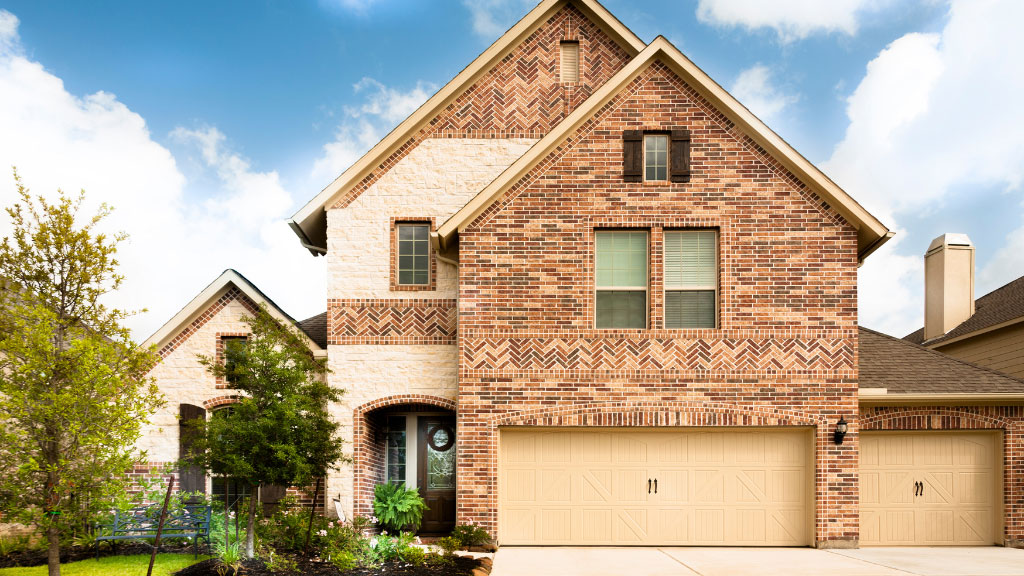
Texas Property Tax Exemptions for Veterans
Texas offers some of the most generous property tax exemptions for veterans in the country. These exemptions can save eligible households thousands of dollars per year and are available to both veterans and their surviving spouses.
The exemption amount is tied to the veteran’s VA disability rating:
- 10% to 29% disability: $5,000 exemption from property value
- 30% to 49% disability: $7,500 exemption from property value
- 50% to 69% disability: $10,000 exemption from property value
- 70% or higher disability: $12,000 exemption from property value
- 100% total and permanent disability: Full property tax exemption on the primary residence — no property taxes at all
The 100% exemption is one of the most significant financial benefits available to disabled Texas veterans. For a home valued at $350,000 in a county with a 2.5% effective tax rate, this exemption represents approximately $8,750 in annual savings.
Surviving spouses of veterans who died in the line of duty, or who had a 100% total and permanent disability rating, may also qualify for the full exemption. The surviving spouse must not remarry and must continue to use the property as their primary residence.
Applications are submitted through the local county appraisal district. Texas has 254 counties, each with its own appraisal district office that handles exemption applications.
Texas Veterans and Families: We Can Help
Our Benefit Specialists, working under the guidance of our VA-accredited attorney, will help you understand the VA benefits you or your family may qualify for.
Get StartedTexas Hazlewood Act: Education Benefits for Veterans and Families
The Hazlewood Act is one of the most valuable education benefits in the nation — a Texas-specific program that provides veterans and their dependents with up to 150 credit hours of tuition-free education at Texas public colleges and universities.
To qualify, veterans must have entered the military from Texas, been a Texas resident when they entered service, or established Texas residency for at least 12 months before enrolling. They must have served at least 181 days of active duty and been honorably discharged. The veteran must not have defaulted on a student loan guaranteed by the state and cannot be receiving federal education benefits that cover the same expenses.
The Hazlewood Legacy benefit extends unused hours to dependent children and stepchildren, allowing veterans to pass along unused portions of their education benefit to their family. This legacy benefit has no expiration date, making it one of the most far-reaching education programs available to any military family in the U.S.
Spouses of veterans who died in service or from a service-connected disability may also qualify. The Texas Higher Education Coordinating Board administers the program and maintains a full list of participating institutions.
Texas Veterans Employment Benefits
Texas offers several employment advantages for veterans seeking careers in the civilian sector or with state government.
Veterans who meet minimum qualifications for state positions receive a preference in hiring. Veterans with a service-connected disability rating of 30% or higher receive an enhanced preference and are placed at the top of qualified applicant lists. This preference applies to initial hiring, promotions, and reduction-in-force situations.
The Texas Workforce Commission operates a dedicated Veterans Employment Services program that provides individualized employment assistance, job matching, and career counseling specifically for veterans and their spouses. This program is available at no charge at Texas Workforce Solutions offices throughout the state.
Texas also participates in the Work Opportunity Tax Credit (WOTC) program, which provides federal tax incentives to employers who hire qualifying veterans. This incentive encourages private sector hiring and can benefit veterans in competitive job markets.
Texas Veterans Land Board Programs
The Texas Veterans Land Board (VLB) has been serving Texas veterans since 1949 and operates three loan programs exclusive to Texas veterans:
Veterans Land Loans allow eligible veterans to purchase a minimum of one acre of land at below-market interest rates. The program has helped more than 200,000 Texas veterans purchase land since its inception.
Veterans Home Loans provide below-market interest rate mortgages for veterans purchasing a primary residence in Texas. These loans can be combined with VA home loan benefits to maximize savings.
Veterans Home Improvement Loans allow eligible veterans to make improvements to their primary residence using a low-interest loan up to $50,000. This program can help veterans modify their homes to accommodate disabilities or aging-in-place needs.
All three programs are open to Texas resident veterans who served at least 90 consecutive days of active duty and were discharged under honorable conditions. Applications are processed through the VLB directly.
Texas State Veterans Homes
Texas operates eight state veterans homes that provide long-term nursing care, memory care, and rehabilitation services to eligible veterans. These state-run facilities offer high-quality care in settings designed specifically for veterans, typically at costs lower than comparable private facilities.
State veterans homes are located in Amarillo, Big Spring, Bonham, El Paso, Floresville, McAllen, Temple, and Tyler. Each facility provides individualized care plans, veteran-focused activities, and staff trained to understand the unique needs of the veteran population.
Eligibility requires an honorable discharge and either Texas residency or Texas as the veteran’s home of record at the time of military entry. Spouses of eligible veterans may be admitted on a space-available basis. The cost of care is determined by the veteran’s income and assets, and Aid and Attendance benefits can offset a significant portion of the monthly charges.
Texas Veterans Burial Benefits
Texas honors veterans with burial services through the Texas State Veterans Cemeteries program and several federal VA national cemeteries located within the state.
The Texas General Land Office operates state veterans cemeteries in Corpus Christi, Killeen (Central Texas State Veterans Cemetery), and Harlingen (Rio Grande Valley). These cemeteries provide burial plots, opening and closing of graves, government-issued headstones with installation, and perpetual care at no charge for eligible veterans.
Spouses and eligible dependent children may also be interred in state veterans cemeteries. In many cases, Aid and Attendance benefits or other VA pension benefits can help surviving spouses cover their own long-term care costs while the veteran’s burial is handled through these state programs.
Texas is also home to several VA national cemeteries, including the Dallas-Fort Worth National Cemetery, Houston National Cemetery, and Kerrville National Cemetery, among others. Veterans are encouraged to pre-register with their chosen cemetery to simplify the process for their families when the time comes.
Texas Hunting and Fishing Benefits for Veterans
Texas Parks and Wildlife offers several licensing benefits for veterans and active duty service members:
Veterans with a 50% or greater service-connected disability rating receive a free lifetime hunting and fishing license. Veterans with a disability rating between 10% and 49% receive a discount on hunting and fishing licenses. Active duty service members stationed in Texas may purchase hunting and fishing licenses at resident rates regardless of their home state.
These benefits recognize veterans’ connection to Texas’s outdoor heritage and make recreational opportunities more accessible for those who’ve served.
Long-Term Care Options for Texas Veterans
Texas veterans and their families navigating long-term care decisions have access to a range of options supported by VA benefits. Understanding how those benefits apply to different care settings is essential to making informed decisions.
Our guide on VA long-term care options for veterans and spouses covers the key differences between in-home care, assisted living, and nursing home care — and how Aid and Attendance benefits apply to each.
For families considering whether a family member can be compensated for providing care, our guide on whether a family member can be paid to care for a veteran or surviving spouse outlines the relevant VA rules and caregiver programs.
The cost of long-term care continues to rise across Texas, making benefits like Aid and Attendance more important than ever for veterans and surviving spouses who need ongoing assistance.

Why Texas Veterans Miss Out on Benefits
Despite the extraordinary range of benefits available, many Texas veterans and surviving spouses never access programs for which they fully qualify. Several factors contribute to this gap.
Lack of awareness is the most common barrier. Aid and Attendance in particular is one of the VA’s best-kept secrets — most eligible veterans have simply never heard of it. Surviving spouses often assume all VA benefits ended when the veteran passed away.
Misconceptions about eligibility prevent many qualified applicants from applying. Common myths include believing you need combat experience, that you must have a service-connected disability, or that your income is too high. In reality, Aid and Attendance is a pension benefit — not a disability benefit — and the income calculation allows significant deductions for medical expenses.
The complexity of the application process also deters many potential applicants. VA forms can be confusing, medical documentation requirements feel overwhelming, and financial rules seem difficult to navigate without guidance.
Missing out is more common than you think. Many eligible Texas veterans and surviving spouses never apply — not because they don’t qualify, but because they assume they won’t.
The Aid and Attendance Application Process
Applying for Aid and Attendance requires gathering several categories of documentation and completing VA forms correctly. The general process includes:
Service documentation: Obtaining a copy of the DD214 discharge papers to verify active duty service during a recognized wartime period. Veterans who cannot locate their DD214 can request a copy through the National Archives or their state veterans department. The GetMyDD214.com service can help veterans obtain their records quickly.
Medical documentation: A physician must complete VA Form 21-2680, documenting the veteran’s or surviving spouse’s limitations with activities of daily living. The language and specificity of this form significantly impacts the outcome of the application.
Financial documentation: All sources of income, bank statements, investment accounts, and documentation of recurring medical expenses must be compiled and organized. Properly accounting for deductible medical expenses often reveals eligibility for applicants who initially believe they earn too much.
Once submitted, applications are reviewed by the VA and a decision is typically issued within several months. Benefits are paid retroactive to the date of the application, so filing sooner protects earlier effective dates and potential back pay.
For a full overview of the eligibility criteria, visit our Aid and Attendance fact sheet.
How Patriot Angels Helps Texas Veterans
For Texas veterans and surviving spouses seeking to maximize their benefits — particularly Aid and Attendance — professional assistance can make the difference between approval and denial.
Since 2012, Patriot Angels has helped more than 30,000 veterans and surviving spouses secure over $1 billion in Aid & Attendance benefits. Our Benefit Specialists, working under the guidance of our VA-accredited attorney, understand the specific documentation requirements, income and asset rules, and medical evidence standards the VA uses to evaluate claims. We handle all paperwork and VA correspondence on behalf of our clients — reducing stress and increasing the likelihood of a successful outcome. Ready to start? Call us at (844) 757-3047 or start a free consultation online today.
If you or a loved one served our country, let us help you secure
the benefits you’ve earned.
Journey Today
Frequently Asked Questions
Common questions about VA benefits in Texas
What VA benefits are available to Texas veterans?
Texas veterans have access to both federal VA benefits and state-specific programs. Key benefits include VA Aid & Attendance (up to $3,845/month for eligible couples), property tax exemptions up to 100% for disabled veterans, the Hazlewood Act (up to 150 tuition-free credit hours), Veterans Land Board loan programs, state veterans homes, and burial benefits through state and federal cemeteries.
Who qualifies for Aid and Attendance in Texas?
Wartime veterans and surviving spouses may qualify if they need help with activities of daily living, served at least 90 days of active duty with one day during a recognized wartime period (WWII, Korea, Vietnam, Gulf War), and meet the VA’s financial requirements. The 2026 net worth limit is $163,699. Veterans do not need combat experience or a service-connected disability to qualify.
Can a surviving spouse of a Texas veteran receive Aid and Attendance?
Yes. Surviving spouses of wartime veterans may qualify for up to $1,558 per month even if the veteran never applied and has already passed away. The surviving spouse must not have remarried and must meet the VA’s medical and financial requirements.
What is the Texas property tax exemption for disabled veterans?
Texas offers tiered property tax exemptions based on VA disability rating, from $5,000 for a 10–29% rating up to a full property tax exemption on the primary residence for veterans with a 100% total and permanent disability rating. Surviving spouses of qualifying veterans may also be eligible.
What is the Hazlewood Act?
The Hazlewood Act is a Texas state program that provides eligible veterans and their dependents with up to 150 credit hours of tuition-free education at Texas public colleges and universities. Unused hours can be transferred to dependent children through the Hazlewood Legacy benefit, with no expiration date.
How does Patriot Angels help Texas veterans access VA benefits?
Patriot Angels specializes in helping wartime veterans and surviving spouses apply for VA Aid & Attendance. Our Benefit Specialists, working under the guidance of a VA-accredited attorney, review eligibility, gather documentation, prepare applications, and handle all VA correspondence on behalf of clients. The initial consultation is free with no obligation.