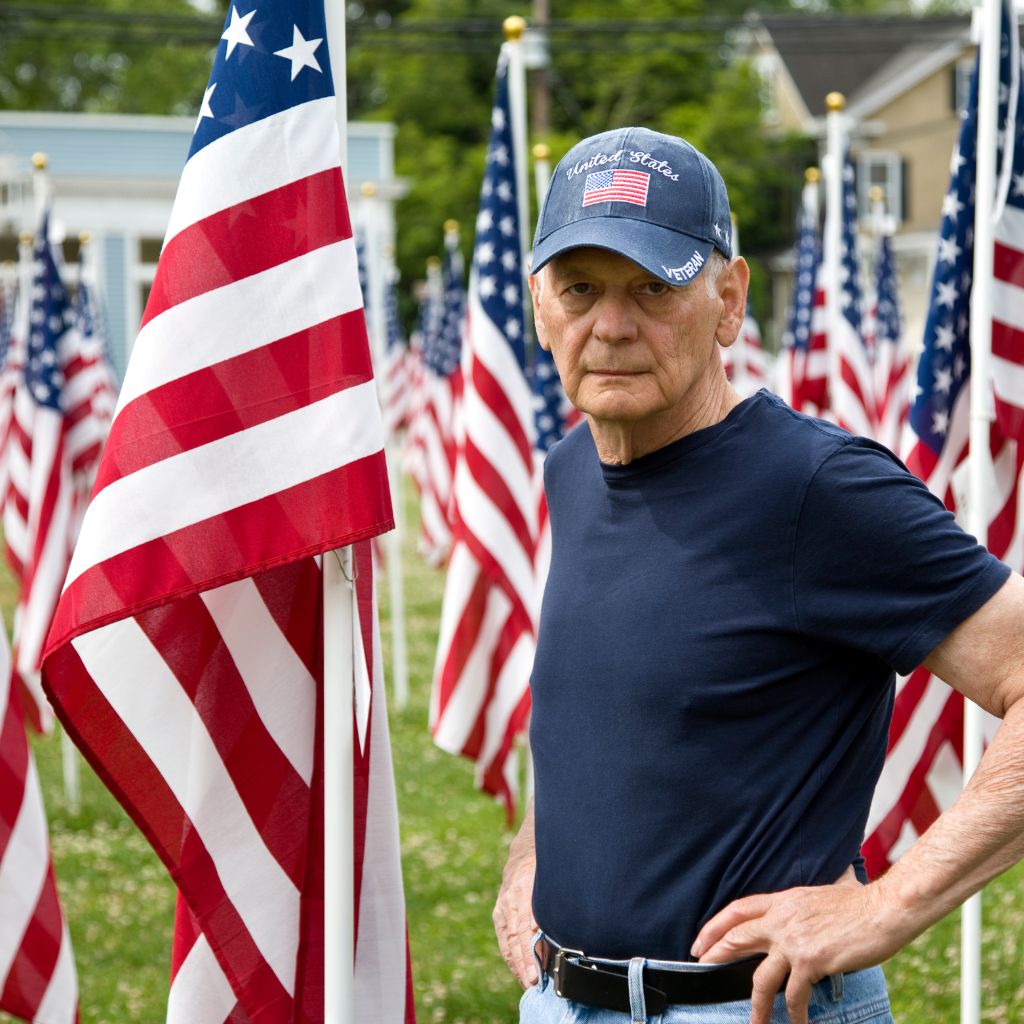


Florida is one of the most veteran-friendly states in the nation. With nearly 1.4 million veterans calling the Sunshine State home, Florida has the second-largest veteran population in the country — behind only Texas. More than 1.1 million of those veterans served during wartime. Are you or a loved one a Florida veteran? There are a wide range of benefits available, including both state-specific programs and federal VA benefits.
Florida Veterans and Their Wartime Service
Florida’s veteran community spans every major conflict of the last century. Wartime veterans in Florida include those who served during World War II, the Korean War, the Vietnam War, and the Gulf War era.
The Gulf War began in August 1990 when Iraqi forces invaded Kuwait. The U.S. led a coalition of nations in Operation Desert Shield and Operation Desert Storm, liberating Kuwait in early 1991. A second Gulf War — the Iraq War — began in 2003 and continues to define the service of many younger veterans living in Florida today.
The Vietnam War took place from November 1, 1955, to April 30, 1975. Tens of thousands of Florida veterans served during this conflict. Florida’s warm climate and large military presence made it a popular destination for Vietnam-era veterans after their service, and today it remains home to one of the largest concentrations of Vietnam veterans in the United States.
The Korean War was fought from June 27, 1950, to January 31, 1955. Approximately 6.8 million U.S. military personnel served during this conflict. According to the Florida Department of Veterans’ Affairs, approximately 36,400 Korean War veterans still live in the state today.
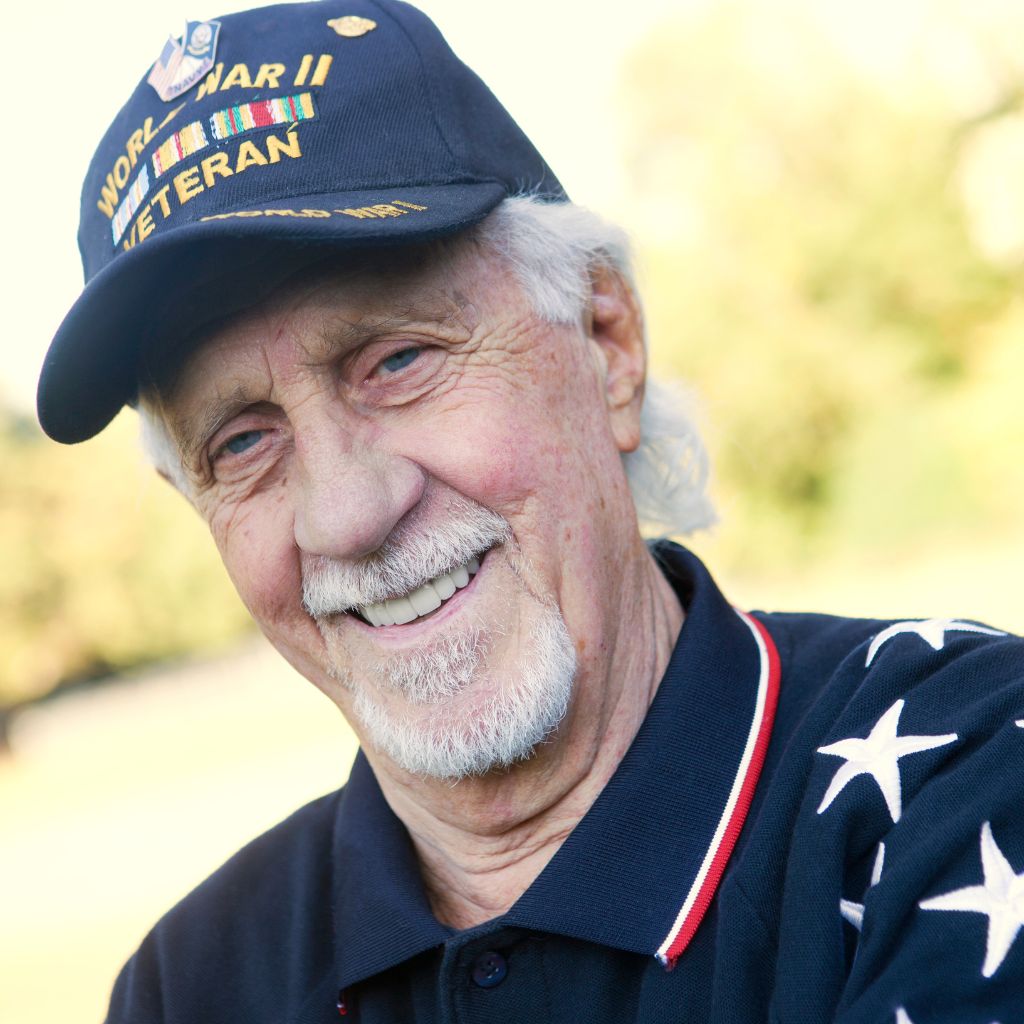
World War II lasted from 1939 to 1945. Sixteen million Americans served during the war. The Florida Department of Veterans’ Affairs estimates approximately 3,800 World War II veterans still reside in Florida.
State Benefits for Florida Veterans
In addition to federal VA benefits, Florida offers an extensive range of state-specific programs for veterans and their families. Florida consistently ranks among the most veteran-friendly states in the country — in part because of its tax policy, but also because the state has invested in a broad network of support programs spanning housing, education, employment, recreation, and long-term care. Below is a detailed look at what’s available.
No State Income Tax
Florida has no state income tax, which benefits every resident — but it is particularly valuable for veterans. VA disability compensation is already tax-free at the federal level, and in Florida it is also free from any state tax obligation. Military retirement pay, Survivor Benefit Plan (SBP) payments, and VA pension income are likewise not subject to state income tax. For a military retiree receiving both a pension and disability compensation, this can represent thousands of dollars in annual savings compared to living in a state with income tax.
Property Tax Exemptions
Florida offers some of the most generous veteran property tax relief in the nation, with multiple tiers based on disability rating, age, and type of disability.
$5,000 assessed value reduction — Veterans with a VA-certified service-connected disability rating of 10% or more may receive a $5,000 reduction in the assessed value of their homestead property. This reduction lowers the taxable value of the home, resulting in a modest but meaningful annual savings depending on local millage rates.
Full homestead exemption for 100% disabled veterans — Veterans with a total and permanent (100%) service-connected disability rating are fully exempt from property taxes on their primary residence. This exemption can save eligible veterans several thousand dollars per year and is one of the most significant financial benefits available at the state level. The exemption applies to the veteran’s permanent residence and cannot be applied to investment or rental properties.
Combat-related disability discount for veterans 65 and older — Florida veterans who are age 65 or older, were honorably discharged, and have a combat-related disability are entitled to an additional discount on their homestead property taxes equal to their VA disability percentage. For example, a veteran with a 70% combat-related disability rating would receive a 70% discount on the portion of property taxes not already exempted. This benefit applies to disabilities directly resulting from armed conflict, training for combat, or conditions simulating war.
Surviving spouse carryover — When a veteran who held one of these exemptions passes away, the surviving spouse may continue to receive the same property tax benefit, provided the spouse does not remarry and continues to live in the same property as their primary residence.
Applications for property tax exemptions are filed with the county property appraiser’s office. Deadlines typically fall on March 1 of the tax year for which the exemption is being claimed. Veterans should contact their county property appraiser directly to confirm requirements and submit documentation, which generally includes a copy of the DD214 and VA disability rating letter.
Education Benefits
C.W. Bill Young Veteran Tuition Waiver — This program waives out-of-state tuition at Florida public colleges and universities for honorably discharged veterans who establish Florida residency. This waiver can save eligible veterans tens of thousands of dollars in tuition costs, particularly at the state’s major research universities. To qualify, the veteran must be enrolled in an eligible degree or certificate program and meet the residency and service requirements established by the institution.
Children and Spouses of Deceased or Disabled Veterans (CSDDV) Scholarship — The CSDDV program provides tuition assistance to dependent children and spouses of Florida veterans who died from service-connected conditions, are rated 100% total and permanent by the VA, or were prisoners of war or missing in action. Recipients may attend any eligible Florida public postsecondary institution. The scholarship covers tuition and fees and represents a meaningful commitment by the state to support veteran families who have made significant sacrifices.
GI Bill and education counseling — The Florida Department of Veterans’ Affairs (FDVA) offers education counseling services to help veterans understand and maximize their federal GI Bill benefits. Florida’s large number of public colleges and universities — many of which are Yellow Ribbon participants — makes the state a popular destination for veterans pursuing higher education after service.
Employment Preference
Florida provides strong employment protections and preferences for veterans seeking civilian careers in state government.
State hiring preference — Veterans who meet the minimum qualifications for a state position receive a preference in hiring. Disabled veterans receive an additional preference. This preference applies at the point of hiring decisions and during reduction-in-force actions, giving veterans priority over non-veteran candidates with similar qualifications. Eligible surviving spouses of veterans who died from service-connected conditions also qualify for this preference.
Military leave for state employees — Florida state employees who serve in the National Guard or military reserves are entitled to paid military leave for active duty service. This provision ensures veterans and service members are not financially penalized for fulfilling their military obligations while maintaining state employment.
Veteran-owned business programs — The state of Florida supports veteran entrepreneurship through certification programs for veteran-owned small businesses (VOSBs). Certified VOSBs may be eligible for set-aside contracting opportunities and procurement preferences in state government purchasing. The Florida Department of Management Services administers the certification program.
Hunting and Fishing Licenses
Florida resident veterans with a service-connected disability rating of 50% or more are entitled to free hunting and fishing licenses from the Florida Fish and Wildlife Conservation Commission. These licenses are valid for five years and cover freshwater and saltwater fishing, as well as hunting throughout the state. Veterans must provide proof of their VA disability rating and Florida residency when applying. Active duty service members stationed in Florida are also eligible for fishing licenses at resident rates regardless of their home state.
State Park Access
Florida’s 175+ state parks are among the most visited in the country, and the state has established meaningful access benefits for veterans.
Annual pass discount — Honorably discharged veterans receive a 25% discount on Florida State Parks annual passes, reducing the cost of year-round access to the state park system.
Military Entrance Pass — Veterans with service-connected disabilities receive a free Military Entrance Pass for life, providing unlimited day-use access to all Florida state parks at no cost. This benefit also extends to the surviving spouses and parents of service members who were killed in combat — a recognition of the sacrifices made by Gold Star families.
Florida Veterans’ Homes
Florida operates nine state veterans’ homes that provide skilled nursing care, memory care, and rehabilitation services to eligible veterans across the state. These facilities are staffed by professionals experienced in caring for the veteran population and offer an alternative to private nursing homes — typically at lower out-of-pocket costs, particularly for veterans receiving VA Aid & Attendance or other pension benefits.
Florida’s state veterans’ homes are located in Daytona Beach, Land O’ Lakes, Orlando, Pembroke Pines, Panama City, Port Charlotte, St. Augustine, Clifton, and Baldomero Lopez (Polk City). Each facility is licensed by the state and certified by the VA, meaning residents may also be eligible to have a portion of their care costs offset by federal VA benefits such as Aid & Attendance.
To be eligible for admission, veterans must have served on active duty and received an honorable or general discharge. Priority is typically given to veterans with service-connected conditions or those who require a higher level of nursing care. Spouses of veterans may be admitted on a space-available basis at some facilities. Prospective residents or their families should contact the Florida Department of Veterans’ Affairs to begin the application process and review current availability.
Florida Veterans: Don’t Leave Benefits Unclaimed
Our Benefit Specialists, working under the guidance of our VA-accredited attorney, will help you understand the VA benefits you or your family may qualify for.
Get StartedVeterans’ Burial Benefits
Florida operates six state veterans’ cemeteries that provide burial services to eligible veterans and certain family members at no cost for the veteran’s interment. The state cemeteries are located in Bushnell (the largest veterans’ cemetery in the state), Escambia County, Sarasota, Jacksonville, South Florida, and Lake Placid. Each cemetery provides grave sites, opening and closing of graves, government headstones with installation, and perpetual care at no charge to the veteran.
Eligible spouses and dependent children may also be interred in Florida state veterans’ cemeteries, though fees may apply for family members. In addition to state cemeteries, Florida is home to several VA national cemeteries, including Bay Pines, Florida, and St. Augustine National Cemetery, which provide additional burial options for eligible veterans.
Veterans who prefer pre-planning can register in advance with their chosen state or national cemetery to ensure documentation is on file, reducing the administrative burden on families during a difficult time.
Florida Department of Veterans’ Affairs (FDVA)
The Florida Department of Veterans’ Affairs serves as the central state agency for veterans’ benefits and services. The FDVA operates county veterans’ service offices throughout Florida staffed by accredited County Veterans’ Service Officers (CVSOs) who can assist veterans in filing claims, navigating benefits applications, and connecting with state and local resources — all at no cost to the veteran. Finding your local CVSO is one of the most important first steps any Florida veteran or surviving spouse can take to ensure they are receiving all of the benefits they have earned.
Federal VA Benefits for Florida Veterans
Florida veterans are also eligible for federal benefits administered by the U.S. Department of Veterans Affairs, including VA health care, disability compensation, and VA pension programs such as Aid & Attendance. These benefits are available regardless of where in Florida a veteran lives, and many can be received at the same time — each program has its own separate eligibility rules.
VA Health Care
The VA operates an extensive health care network throughout Florida, including major medical centers in Miami, Tampa, Orlando, Gainesville, West Palm Beach, and Bay Pines, along with dozens of community-based outpatient clinics (CBOCs) serving veterans in smaller communities across the state. Florida’s large and aging veteran population makes VA health care one of the most-used federal benefits in the state.
Eligible veterans can access a broad range of medical services through the VA, including primary care, specialty care, mental health services, substance use treatment, dental care, vision care, audiology, physical therapy, and preventive care. The VA also provides prescription drug coverage, home health services, and telehealth appointments — an important option for Florida veterans in rural or coastal areas far from a full medical center.
To enroll, a veteran must have served on active duty and received a discharge under conditions other than dishonorable. Upon enrolling, veterans are placed into one of eight priority groups. Veterans with service-connected disabilities rated 50% or higher receive the highest priority and pay no copayments for care related to their condition. Veterans without service-connected conditions may still qualify based on income level and other factors. Enrollment is free and can be completed online, by phone, or at any VA medical center in Florida.
VA Disability Compensation
VA Disability Compensation is a monthly, tax-free benefit paid to veterans who have a physical or mental condition that was caused or worsened by their military service. More than 504,000 Florida veterans currently receive VA disability compensation — one of the highest concentrations of disability recipients in the country, reflecting both the size of Florida’s veteran population and the long-term health effects faced by veterans of multiple conflicts.
Compensation rates are determined by the veteran’s combined disability rating, which ranges from 0% to 100% in increments of 10. A 10% rating pays approximately $175 per month, while a 100% rating pays over $3,700 per month for a single veteran — more for veterans with dependents or certain severe disabilities. Veterans rated at 100% total and permanent disability may also qualify for additional benefits such as free VA health care at no cost, property tax relief, and access to Dependents’ Educational Assistance.
To qualify, the veteran must have served on active duty, active duty for training, or inactive duty training, and one of the following must apply: the veteran became sick or injured while on active duty; the veteran had a pre-existing illness or injury that worsened during service; or the disability manifested after separation but is directly connected to military service. Conditions commonly claimed by Florida veterans include hearing loss, tinnitus, PTSD, musculoskeletal injuries, and conditions related to Agent Orange exposure — particularly relevant for the large population of Vietnam veterans living in the state.
Important for Vietnam-era veterans: The PACT Act, signed into law in 2022, significantly expanded VA disability eligibility for veterans exposed to toxic substances — including Agent Orange, burn pits, and other hazardous materials. Many Florida veterans who previously had claims denied may now qualify. If you served in Vietnam, Thailand, Korea, or Southwest Asia and have been diagnosed with certain cancers or other conditions, it is worth revisiting your eligibility.
VA Pension
The VA Pension — sometimes called the Veterans Pension or Improved Pension — is a needs-based, tax-free monthly benefit for wartime veterans and surviving spouses who have limited income and assets. It is an entirely separate program from VA disability compensation. A veteran does not need a service-connected disability to qualify, and receiving disability compensation does not disqualify a veteran from the pension.
To qualify for the VA Pension, the veteran must have served at least 90 days of active duty with at least one day during an eligible wartime period — World War II, the Korean War, the Vietnam War, or the Gulf War — and received a discharge under conditions other than dishonorable. The veteran must also be age 65 or older, or have a permanent and total non-service-connected disability that prevents substantial gainful employment. There is no age requirement for surviving spouses.
Eligibility is also subject to income and net worth limits. The VA uses a calculation called Income for VA Purposes (IVAP), which starts with total household income and subtracts certain unreimbursed medical expenses. This is an important detail: many Florida veterans who appear to exceed the income limit actually qualify once recurring care costs — such as assisted living fees, home health aide expenses, and medical copayments — are properly deducted. The net worth limit in 2026 is $163,699. The primary residence and one vehicle are excluded from this calculation.
The VA Pension has three tiers: the base pension, Housebound, and Aid & Attendance. Veterans and surviving spouses who need help with daily activities or reside in a care facility may qualify for the higher Aid & Attendance tier, which provides significantly greater monthly payments. This enhanced benefit is described in detail in the next section.
VA Aid & Attendance Benefit for Florida Veterans
One of the most valuable — and most underutilized — benefits for Florida veterans and their families is the VA Aid & Attendance benefit. Aid & Attendance is an enhanced VA pension that provides monthly, tax-free payments to wartime veterans and surviving spouses who need help with daily activities such as bathing, dressing, mobility, toileting, and eating.
The benefit can help cover the cost of home care, adult day care, assisted living, and skilled nursing facilities. A family member may qualify as a paid caregiver. This benefit does not need to be repaid. To learn more about how it works, visit our Aid & Attendance Fact Sheet.
2026 VA Aid & Attendance Maximum Monthly Benefit Rates:
Surviving Spouse: $1,558/month
Single Veteran: $2,424/month
Married Veteran: $2,874/month
Two Veterans Married to Each Other: $3,845/month
For a full breakdown of current benefit amounts, see our 2026 Aid & Attendance Benefit Rates page.
Who Qualifies for Aid & Attendance in Florida?
To qualify for the Aid & Attendance benefit, the veteran must have served at least 90 days of active duty with at least one day during an eligible wartime period, received an honorable or other than dishonorable discharge, and be age 65 or older — or have a permanent and total disability. Veterans under 65 may also qualify if they are patients in a nursing home due to disability, or if they receive Social Security Disability Insurance (SSDI) or Supplemental Security Income (SSI).
The veteran or surviving spouse must also need regular assistance with at least two activities of daily living — bathing, dressing, mobility (transferring), eating, or toileting — or require supervision due to a cognitive condition such as dementia or Alzheimer’s disease. The current VA net worth limit is $163,699. The primary residence and one vehicle are excluded from that calculation.
Important for surviving spouses: The surviving spouse of a wartime veteran may qualify independently. The spouse must have been married to the veteran for at least one year, married at the time of the veteran’s passing, and must not have remarried. There is no age requirement for surviving spouses. The maximum 2026 benefit for a surviving spouse is $1,558 per month.
Common Misconceptions About VA Benefits in Florida
Many Florida veterans and their families miss out on the Aid & Attendance benefit because of widespread misconceptions about who qualifies. Here are the most common ones:
- “The veteran must have served in a combat zone.” Not true. Wartime-era service anywhere in the world qualifies, as long as at least one day fell within an eligible wartime period.
- “You must have a service-connected disability.” Not required. Aid & Attendance and VA disability compensation are entirely separate benefits.
- “The benefit is only for low-income veterans.” Not accurate. The VA’s income calculation subtracts care costs from income — meaning many middle-income families qualify.
- “You must already be enrolled in VA health care.” Not required. Submitting an Aid & Attendance claim automatically enters you into the VA system.
- “The benefit is only for assisted living.” Not true. Aid & Attendance can be used for home care, adult day care, board and care, and nursing home care as well.
How to Apply for VA Aid & Attendance in Florida
Applying for Aid & Attendance involves submitting detailed forms, medical documentation, financial records, and evidence of military service to the VA. The process can be complex — errors or missing documentation are among the most common reasons claims are delayed or denied.
Patriot Angels works with wartime veterans and surviving spouses throughout Florida to navigate the application process. Our Benefit Specialists, under the guidance of our VA-accredited attorney, provide step-by-step assistance. We hold an A+ rating with the Better Business Bureau and have helped more than 30,000 veterans and families secure over $1 billion in benefits since 2012.
There is no cost to find out if you qualify. Call us at (844) 757-3047 or start a free eligibility consultation.
If you or a loved one served our country, let us help you secure
the benefits you’ve earned.
Journey Today
Frequently Asked Questions
Common questions about VA benefits for Florida veterans and their surviving spouses.
How many veterans live in Florida?
Florida is home to nearly 1.4 million veterans, making it the state with the second-largest veteran population in the nation, behind only Texas. More than 1.1 million of those veterans served during wartime.
Does Florida have a state income tax for veterans?
No. Florida has no state income tax for anyone, including veterans and military retirees. This means VA disability compensation, military retirement pay, and other income are not taxed at the state level in Florida.
What property tax benefits are available to disabled veterans in Florida?
Florida offers several levels of property tax relief. Veterans with a service-connected disability rating of 10% or more may receive a $5,000 reduction in assessed homestead value. Veterans with a total and permanent (100%) service-connected disability are fully exempt from property taxes on their primary residence. Veterans age 65 and older with a combat-related disability may receive an additional discount equal to the percentage of their disability rating. Surviving spouses may carry these exemptions forward as long as they do not remarry.
What is the VA Aid and Attendance benefit and do Florida veterans qualify?
The VA Aid & Attendance benefit is an enhanced VA pension that provides monthly, tax-free payments to wartime veterans and surviving spouses who need help with daily activities such as bathing, dressing, mobility, toileting, and eating. Florida veterans who served at least 90 days of active duty with at least one day during an eligible wartime period, are age 65 or older (or permanently disabled), and meet income and asset guidelines may qualify. The 2026 benefit rates range from $1,558/month for a surviving spouse to $2,874/month for a married veteran.
Can the surviving spouse of a Florida veteran receive the Aid and Attendance benefit?
Yes. The surviving spouse of a wartime veteran may qualify for Aid & Attendance if the veteran met the military service requirements, the spouse was married to the veteran for at least one year and was married at the time of the veteran’s passing, and has not remarried. The surviving spouse must also need assistance with at least two activities of daily living. The maximum benefit for a surviving spouse in 2026 is $1,558 per month.
How do I apply for VA Aid and Attendance in Florida?
Applying for Aid & Attendance involves submitting detailed forms, medical documentation, financial records, and evidence of military service to the VA. Errors or missing documentation are among the most common reasons claims are delayed or denied. Patriot Angels works under the guidance of VA-accredited attorney Victoria Collier and helps wartime veterans and surviving spouses throughout Florida navigate the process. Call (844) 757-3047 for a free consultation.