
On this page
What Is Assisted Living?
Assisted living is for the point when living alone starts to feel risky: a missed dose of heart medication, a fall in the shower, a week of skipped meals. Your loved one keeps a private apartment and their own furniture, and trained staff are on hand day and night to help with the tasks that have become hard. Meals, housekeeping, and activities come with it.
Every state licenses and inspects assisted living, and each community writes a personal care plan that changes as needs change. It is not a nursing home: residents are not bedbound, and the setting looks and feels like an apartment building, not a hospital.

Help with daily care
Bathing, dressing, grooming, toileting, and getting around, handled by staff who know your loved one by name.

Medications on schedule
Staff manage refills and reminders or give medications directly, which is often the first reason families start looking.

Meals and company
Three meals a day plus activities and outings, so a veteran who was eating alone and staying in has people around again.

A benefit built for it
Because assisted living is paid care, it fits the purpose of Aid & Attendance, which can add up to $3,845 a month for a qualifying veteran.
Assisted Living vs. Independent Living vs. Memory Care vs. In-Home Care
The right setting depends on how much help is needed, how safe home still is, and whether memory loss is part of the picture.
| Assisted living | Independent living | Memory care | In-home care | |
|---|---|---|---|---|
| Best for | Older adults who need hands-on help with some daily activities | Active older adults who want services and neighbors, not care | People living with Alzheimer’s or another dementia who need a secure setting | People who want to stay in their own home with help |
| Setting | Private apartment in a licensed community | Apartment, cottage, or home in a senior community | Secure community or memory care wing | Your loved one’s own home |
| Help with daily activities | Yes, from staff on site around the clock, based on a care plan | Not included; residents can bring in in-home care | Yes, around the clock from dementia-trained staff | Yes, for the hours you arrange |
| U.S. median per month (CareScout 2025) | $6,200 | No CareScout median published | No separate CareScout median published | $6,673 (non-medical) |
| Can Aid & Attendance help? | Yes, it is one of the most common uses of the benefit | Not with rent by itself | Yes, for eligible veterans who need daily help | Yes, for eligible veterans who need daily help |
| Learn more | You are here | Independent living → | Memory care → | In-home care → |
Related Patriot Angels guides
 GuideAssisted Living vs. Independent LivingComing soon
 GuideTypes of Senior Care ComparedComing soon
11 Signs It May Be Time for Assisted Living
The move is often prompted by a fall or a hospital stay, but the warning signs usually show up months earlier. Watch for these.
- Falls or near-falls, especially in the bathroom.
- Missed or doubled medications.
- Weight loss or an empty refrigerator.
- Unwashed clothes or skipped bathing.
- Bills piling up or unopened mail.
- Trouble getting up from a chair or bed.
- A recent hospital stay with a slow recovery.
- A caregiver spouse or adult child who is worn out.
- Spending most days alone.
- Unsafe driving or getting lost.
- Chronic conditions that need daily attention, like diabetes or COPD.
Related Patriot Angels guides
 Guide11 Signs It’s Time for Assisted LivingComing soon
 GuideHow to Talk to Your Parent About Assisted LivingComing soon
Assisted Living Services and Levels of Care
Most communities price care in levels. A resident who only needs medication reminders pays less than one who needs help moving from bed to chair. Here is what is usually on offer.
Personal care
Help with bathing, dressing, grooming, toileting, and continence, scheduled in the care plan and available when needs come up.
Medication management
Storage, reminders, and administration by trained or licensed staff, depending on state rules.
Meals and nutrition
Three daily meals and snacks, with special diets for diabetes, heart health, or swallowing problems.
Activities and engagement
Exercise classes, games, music, faith services, and outings. Ask about veteran recognition events and groups.
Transportation
Rides to doctor and VA medical appointments, pharmacies, and shopping, usually on a set schedule.
Housekeeping and laundry
Weekly cleaning, linens, and personal laundry, so the resident’s energy goes to living, not chores.
Related Patriot Angels guides
 GuideAssisted Living Services, Amenities and Levels of CareComing soon
How Assisted Living Is Licensed and Inspected
There is no federal assisted living license. Each state sets its own rules for staffing, training, medication handling, resident assessments, and emergency plans, and a state agency inspects communities and investigates complaints. Names vary: residential care, personal care home, or assisted living facility.
Before signing, ask to see the community’s most recent state inspection report and its residency agreement, and ask which care needs would require a move. Assisted living communities are private businesses; they are not run, staffed, or paid for by VA.
Our 2,096 assisted living partners:
What Does Assisted Living Cost?
The national median for assisted living is $6,200 a month, according to the CareScout (Genworth) 2025 Cost of Care Survey. That is about 65% of a semi-private nursing home room. A veteran or spouse approved for up to $3,845 a month in Aid & Attendance would cover about 62% of that median with the benefit alone.
| Type of care | U.S. median per month | Share covered by up to $3,845 |
|---|---|---|
| Assisted living | $6,200 | 62% |
| In-home care (non-medical) | $6,673 | 58% |
| Adult day care | $2,058 | 100% |
| Nursing home, semi-private room | $9,581 | 40% |
| Nursing home, private room | $10,798 | 36% |
Usually in the monthly rate
- Private or shared apartment
- Three meals a day and snacks
- A base level of personal care
- Housekeeping and laundry
- Activities and scheduled transportation
- Staff on site 24 hours a day
Often billed on top
- Higher care levels as needs grow
- Medication management fees
- Incontinence supplies
- Escorts to appointments
- Salon, cable, or phone
- A one-time community fee at move-in
Related Patriot Angels guides
 GuideHow Much Will VA Aid & Attendance Pay Toward Assisted Living?Read guide →
 GuideDo Assisted-Living Fees Count as Medical Expenses for VA Aid & Attendance?Coming soon
How Veterans and Families Pay for Assisted Living
Most families combine several sources. For veterans and surviving spouses, the VA benefit is often the piece that makes the monthly math work.

VA Aid & Attendance
A monthly, tax-free payment added to VA Pension for wartime veterans and surviving spouses who need help with daily activities. It can reach up to $3,845 a month and is paid to the family, who can use it for assisted living. Check eligibility

Income and savings
Social Security, military retirement pay, pensions, and savings usually cover the rest of the monthly bill.
The family home
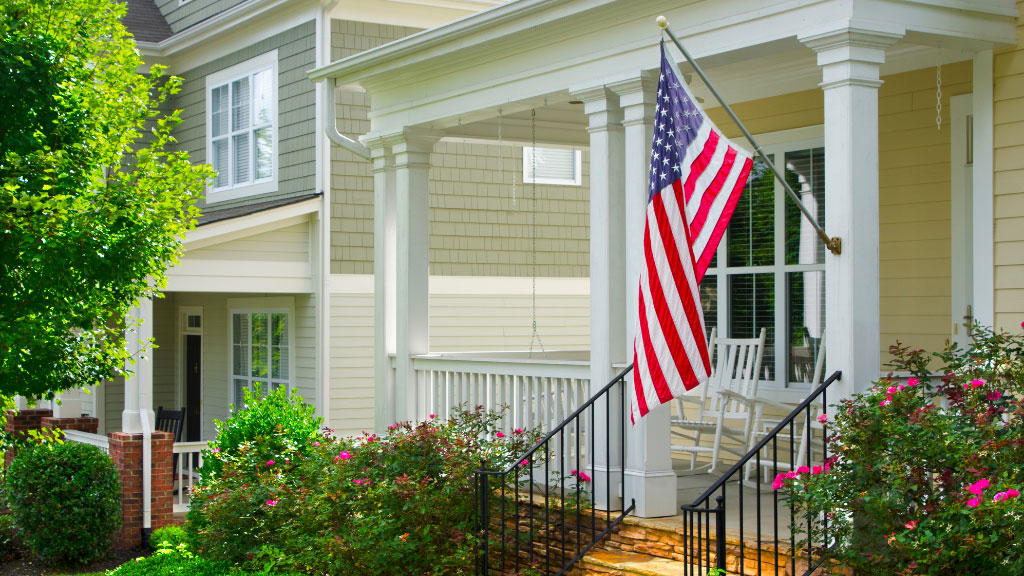
Selling or renting the house can fund several years of care. Timing matters for VA rules, so talk with us before you list it.

Insurance and Medicaid
Long-term care insurance often pays for assisted living care. Medicare does not. Medicaid waivers in many states cover care services, but not room and board.
Related Patriot Angels guides
 GuideDoes Aid & Attendance Pay for Assisted Living?Read guide →
 GuideAssisted Living Benefit for Veterans & Surviving SpousesRead guide →GuideHow to Pay for Assisted LivingComing soon
Could Aid & Attendance Help Pay for Assisted Living?
Assisted living is exactly the kind of care Aid & Attendance is meant for. A wartime veteran or surviving spouse who needs help with daily activities may qualify for up to $3,845 a month toward the bill. Answer a few questions to see where your family stands.
Prefer to talk it through? Call (844) 757-3047
Who Qualifies for Aid & Attendance in Assisted Living?
VA looks at three things. Families are often surprised by how many veterans meet all three.
Wartime service
For most veterans who entered before September 8, 1980: at least 90 days of active duty, with at least one day during a wartime period, and a discharge other than dishonorable. Combat is not required, and stateside service counts.
A care need
Needing help with daily activities such as bathing, dressing, eating, or medications, or needing supervision for safety. Living in assisted living because of these needs often supports the claim.
Financial limits
VA counts income and net worth, but subtracts recurring care costs. Assisted living fees often lower countable income enough to qualify.
Surviving spouses too
The surviving spouse of a wartime veteran can qualify on the veteran’s service if the marriage and care-need rules are met.
Related Patriot Angels guides
 GuideCan a Veteran Qualify for Aid & Attendance After Moving Into Assisted Living?Coming soon
 Guide2026 Aid and Attendance Benefit RatesRead guide →
How to Choose an Assisted Living Community
Visit at least two communities, ideally at a mealtime, and ask to see the care plan process in writing. These questions separate good fits from glossy brochures.
Care and staffing
- How many caregivers are on each shift, including nights?
- Who gives medications, and how are errors handled?
- How often is the care plan reviewed?
Pricing
- How are care levels set, and what triggers a price increase?
- What is the community fee, and is any of it refundable?
- How much did rates rise last year?
When needs grow
- Is memory care on the same campus?
- Which needs would require a move out?
- Do hospice providers work with residents here?
Veteran fit
- Will the community provide care cost statements for a VA claim?
- Are other veterans living here?
- Are there rides to VA medical appointments?
Related Patriot Angels guides
 GuideSenior Living Tour ChecklistComing soon
Making the Move to Assisted Living Easier
A move driven by a health change can feel rushed. These steps help a veteran feel in control of it.
Involve your loved one early
Tour together and let them choose between two good options, rather than presenting a decision already made.
Bring the familiar
Favorite chair, photos, a service flag or shadow box. A room that looks like home shortens the adjustment.
Share the medical picture
Give the care team a current medication list, doctor contacts, and any VA health care details before move-in day.
Start the VA claim
Have the DD-214, marriage and death certificates if needed, and the community’s rate sheet ready. Benefits can be paid back to the filing date, so do not wait.
Expect a settling-in period
The first month is the hardest. Visit often, then step back a little as routines and friendships form.


Veteran-Approved Assisted Living Communities
Patriot Angels works with 2,096 assisted living partner communities in 50 states. A sample from the states with the most partners:


Veteran Families We’ve Helped
Rated 4.9 on Google from 465 reviews. BBB A+ accredited. See all reviews
Assisted Living and VA Benefits FAQ
Does the VA pay for assisted living?
VA does not pay assisted living communities directly for room and board, but Aid & Attendance pays a qualifying veteran or surviving spouse up to $3,845 a month, and families commonly use it for assisted living.
How much does assisted living cost?
The U.S. median is $6,200 a month (CareScout 2025), and it varies widely by state and care level. See assisted living costs.
Does Medicare pay for assisted living?
No. Medicare covers doctor visits, hospital stays, and short skilled care, but not long-term personal care or rent in assisted living.
Does Medicaid pay for assisted living?
In many states, Medicaid waiver programs pay for care services in assisted living for people who qualify. They generally do not cover room and board.
Can a veteran apply after already moving in?
Yes. Many families file after the move, and the cost of care can help show financial need. File as soon as you can, because benefits start from the filing date.
Can a surviving spouse get Aid & Attendance for assisted living?
Yes, if the veteran had qualifying wartime service and the spouse meets the care-need and financial rules.
What is the difference between assisted living and a nursing home?
Assisted living provides personal care and supervision in an apartment setting. Nursing homes provide 24-hour skilled nursing for people with serious medical needs.
Does a veteran need combat service to qualify?
No. Service during a wartime period is what counts, including stateside service.
Assisted Living by State
Pick a state to see partner communities, state costs, and local veteran numbers.
Cities with the most partners
Other Types of Care
Independent Living
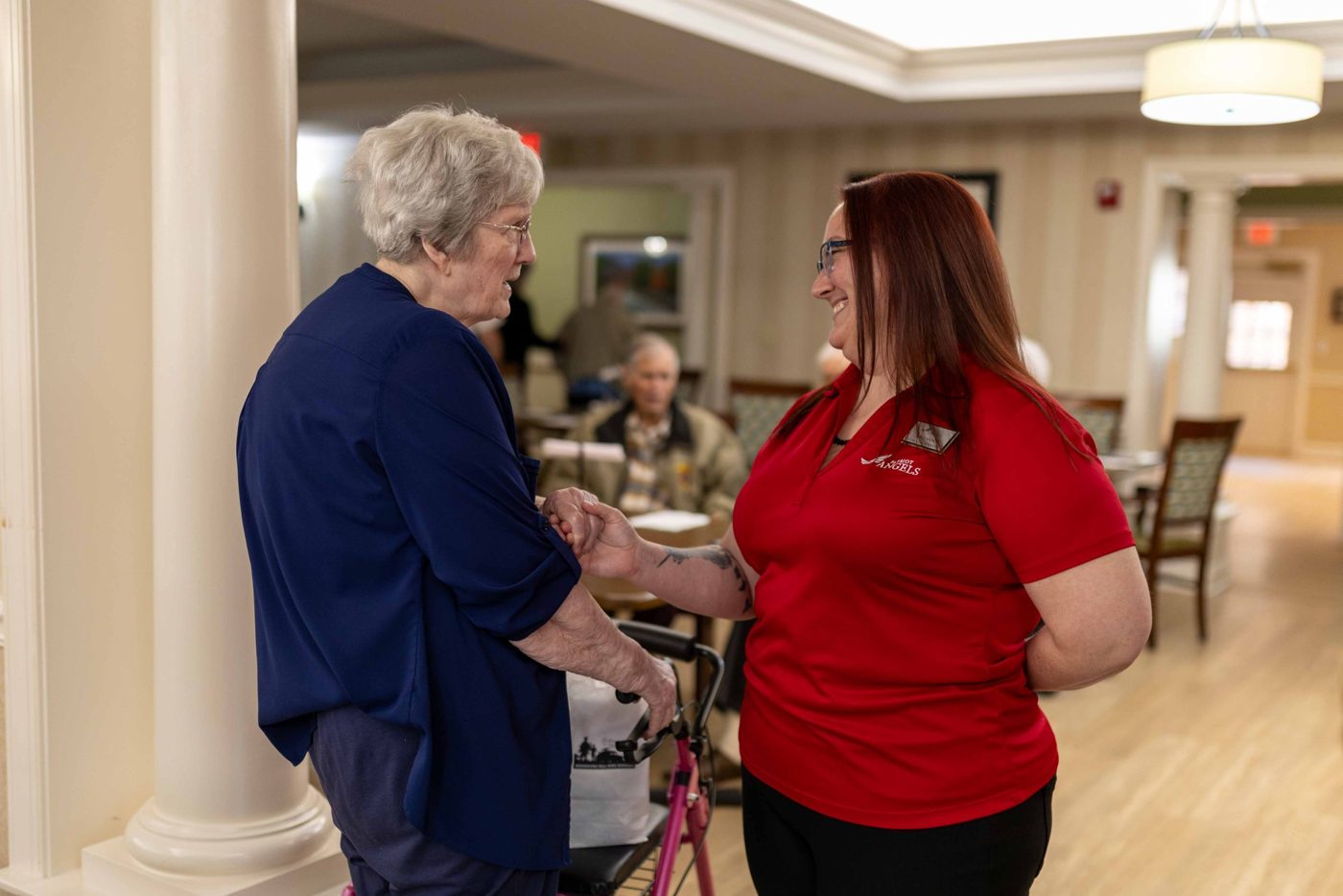
Senior apartments and cottages with dining and activities, for veterans who don’t need daily care yet.

Memory Care
Secure care with dementia-trained staff, the next step when memory loss makes assisted living unsafe.

In-Home Care
Caregivers who come to the house, for a veteran who wants to stay home a while longer.