

Independent living and assisted living can look alike from the parking lot. Both offer private apartments, shared dining rooms, activity calendars and neighbors of the same generation. The real difference is what happens when a resident needs a hand with a shower, a pill organizer or getting dressed in the morning. For a veteran or surviving spouse, that difference also shapes how VA pension with Aid & Attendance may fit into the budget.
The short version: Independent living sells a lifestyle and convenience. Assisted living sells hands-on personal care and supervision. A veteran who manages daily routines alone usually fits independent living; one who needs regular help from another person usually fits assisted living.
What Independent Living Provides
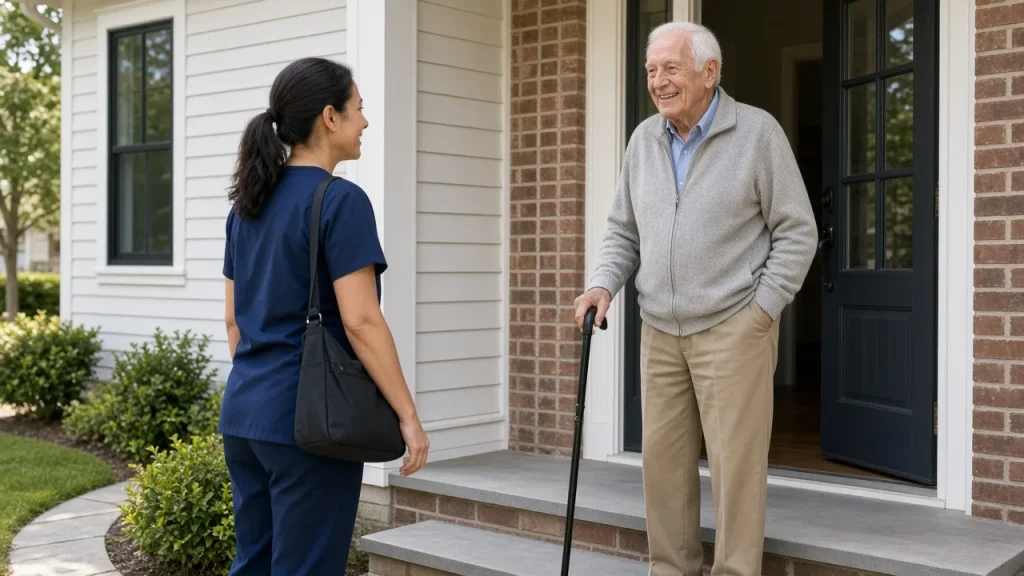
An independent living community is housing designed for older adults who can still run their own day. Monthly fees typically bundle rent, some meals, housekeeping, maintenance, transportation and social programs. Staff do not usually help residents bathe, dress or take medication.
That makes it a strong match for a veteran who is lonely in a large house, tired of yard work or no longer comfortable driving at night, yet still handles personal care without help. Many residents bring in a private aide later if needs grow, and some campuses add assisted living on the same grounds so a move between levels is short.
Our independent living guide for veterans explains the community types in more detail.
What Assisted Living Provides
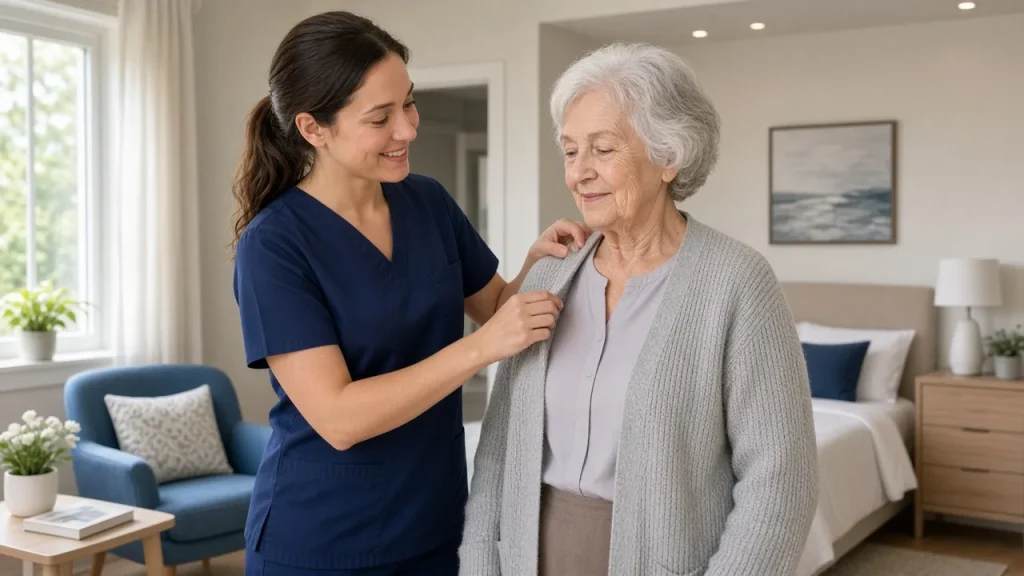
Assisted living adds personal care to the housing package. Trained staff are on site around the clock to help with bathing, dressing, grooming, toileting, transfers and medication reminders. Each resident gets an assessment and a written service plan, and the monthly charge often rises with the level of care.
It suits a veteran who has had falls, struggles with medications, has early memory changes or simply cannot keep up with daily tasks safely at home. Learn what to expect in the VA assisted living section of our site, and see how communities price care tiers in our breakdown of assisted living services and levels of care.
Side-by-Side Differences
- Personal care: independent living offers none as standard; assisted living offers daily hands-on help.
- Staffing: independent living has hospitality and maintenance staff; assisted living has caregivers on every shift.
- Medication: independent living residents manage their own; assisted living can store, remind and often administer.
- Licensing: assisted living is licensed and inspected by the state; independent living usually is not licensed as a care setting.
- Cost drivers: independent living cost depends mostly on apartment size; assisted living adds a care fee based on assessed needs.
How VA Pension With Aid & Attendance Fits Each Setting
Aid & Attendance is an added amount paid on top of the basic Veterans Pension or Survivors Pension. A veteran may qualify when he or she needs another person’s help with activities of daily living, is bedridden, lives in a nursing home because of mental or physical incapacity, or meets the VA’s eyesight standard. The benefit can reach up to $3,845 per month in 2026, depending on household status. Our current Aid & Attendance rate chart shows each category.
The setting matters because of how the VA counts care costs. When a resident in a licensed assisted living community needs help with daily living, the facility fees can often be treated as unreimbursed medical expenses that lower countable income. That is the main reason many families see assisted living as the point where the benefit becomes most valuable. Read more in whether Aid & Attendance pays for assisted living.
In independent living, rent and meals are generally treated as ordinary living costs, not medical expenses. Care that a resident pays for separately, such as a home care aide who helps with bathing, can still count. Our article on which types of care qualify walks through the distinctions.
Financial limits apply in both settings. For the period December 1, 2025 through November 30, 2026, the net worth limit is $163,699, and assets given away within the 36-month look-back period can trigger a penalty.
Signs It Is Time for Assisted Living Instead
- Two or more falls in the past year, or fear of falling that keeps the veteran in a chair
- Missed or doubled medication doses
- Weight loss, spoiled food in the refrigerator or skipped meals
- Bathing less often because getting in and out of the tub feels unsafe
- A spouse caregiver who is exhausted or has health problems of their own
These changes often appear gradually. Our article on how care needs change with age describes the typical progression and what families can do at each stage.
Questions to Settle Before Choosing
Ask the doctor whether the veteran is safe living alone for most of the day. Ask the veteran what he or she wants most: privacy, company, less work, or more safety. Ask each community what happens if needs increase, and whether a move to a higher level stays on the same campus.
When you visit, bring the list in our senior living tour questions. If the conversation with your parent has not started yet, our guide on talking to a veteran parent about senior living can help.
Not Sure Which Level Fits?
Patriot Angels can review the veteran’s service, health needs and finances and explain whether Aid & Attendance could help with the cost of assisted living or in-home care.
Call (844) 757-3047 or use our free consultation page.
Request a Free ConsultationThe Bottom Line
Independent living is about freedom from chores; assisted living is about help with the body and the daily routine. For veterans and surviving spouses, the choice also affects whether care costs can reduce countable income for VA pension. Pick the setting that matches the help needed today while leaving room for what may be needed next year.
Patriot Angels has guided veterans and surviving spouses through the Aid & Attendance process since 2012. Call (844) 757-3047 to request a free benefits review.
This article is general education, not legal, tax or financial advice. VA decisions depend on each claimant’s facts and the rules in effect at the time.
If you or a loved one served our country, let us help you secure the benefits you’ve earned.
Start YourJourney Today
Frequently Asked Questions
Can a veteran get Aid & Attendance in independent living?
Possibly. The veteran still has to meet the medical need and financial rules. Rent and meals are generally not medical expenses, but separately paid personal care may be.
Is assisted living licensed?
Yes. Assisted living is licensed and inspected by the state, while most independent living communities are not licensed as care settings.
Do assisted living fees count as medical expenses for VA pension?
They often can when the resident needs help with daily living in a licensed facility. The VA reviews the care plan and who pays the bill.
How much does Aid & Attendance pay?
Up to $3,845 per month in 2026, depending on whether the claimant is a single veteran, a married veteran, two veterans or a surviving spouse.
Can a surviving spouse use the benefit for either setting?
Yes, the same distinction applies. Survivors Pension with Aid & Attendance follows similar medical and expense rules.
What if needs grow after moving into independent living?
Many residents add a home care aide or move to assisted living on the same campus. Ask about this before signing.