
On this page
What Is Independent Living?
Independent living is a community designed for older adults who can manage daily life on their own but want it to be easier and more social. Residents live in their own apartment, cottage, or home and leave chores like maintenance and yard work behind. In their place come dining, fitness classes, clubs, outings, and neighbors at the same stage of life, including many fellow veterans.
You may also hear retirement community, senior living community, or 55+ community. Independent living doesn’t include personal or medical care, though residents can usually bring in in-home care.

A maintenance-free home
No more home repairs, yard work, or snow shoveling. Residents live in their own apartment, cottage, or home designed for aging.

Friends and fellow veterans
Clubs, classes, and outings close by, so your loved one isn’t isolated after retirement or the loss of a spouse.
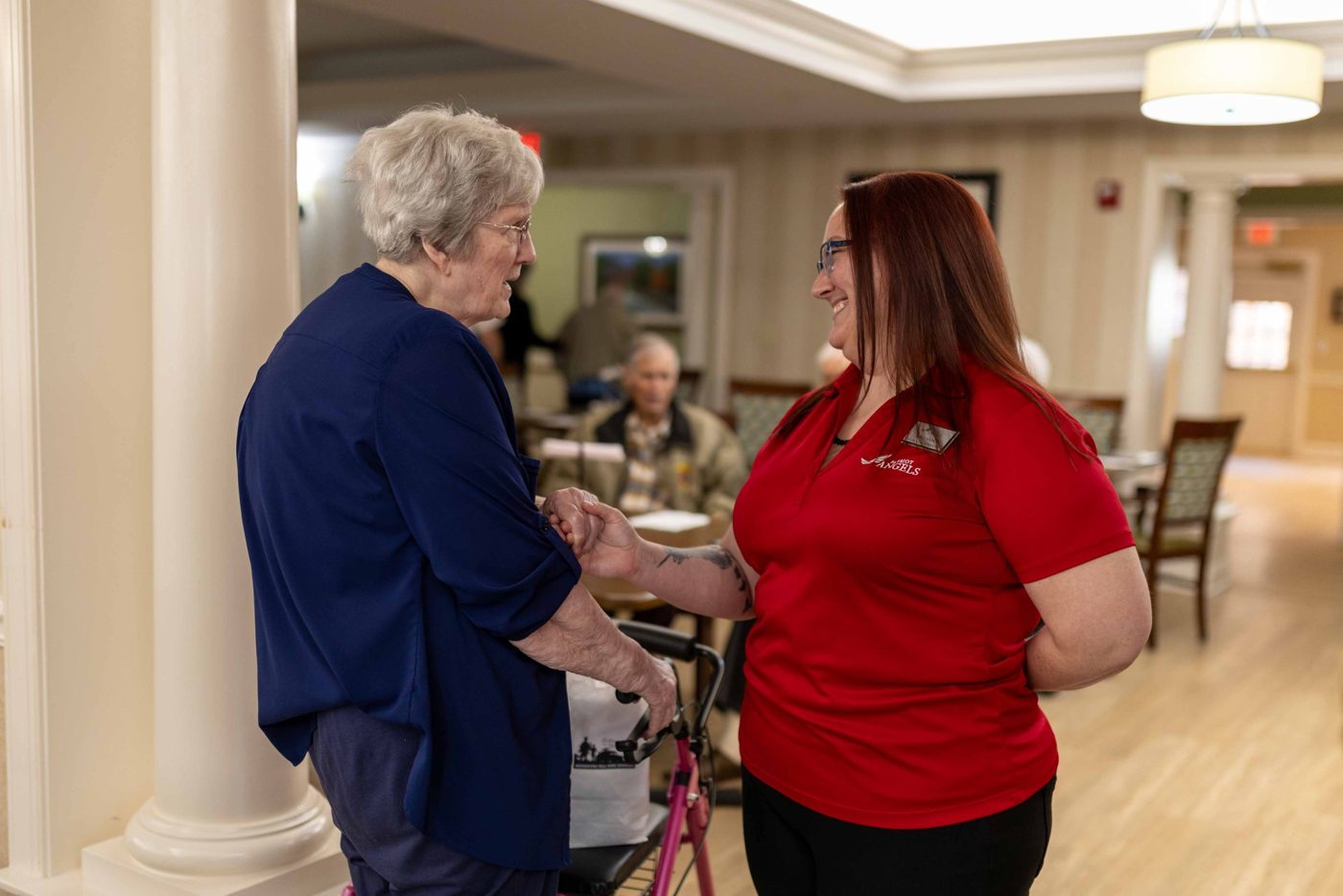
Dining and activities
Dining options and fewer meals to cook, plus fitness and wellness activities on site.

A plan before a crisis
Some independent living is part of a larger campus that also offers assisted living or memory care, so residents can get more support later without leaving.
Independent Living vs. Assisted Living vs. Memory Care vs. In-Home Care
Independent living is for people who don’t need daily help. If that changes, or if budget matters most, another option may fit better.
| Independent living | Assisted living | Memory care | In-home care | |
|---|---|---|---|---|
| Best for | Active older adults who want services, activities, and community | Older adults who need help with some daily activities | People living with Alzheimer’s or another dementia who need a secure setting | People who want to stay in their own home with help |
| Setting | Apartment, cottage, or home in a senior community | Apartment-style community | Secure community or memory care wing | Your loved one’s own home |
| Help with daily activities | Not included; residents can bring in in-home care | Yes, based on a care plan | Yes, around the clock from dementia-trained staff | Yes, for the hours you arrange |
| Does Medicare pay? | No | No, not for room, board, or personal care | No, not for room, board, or personal care | Part-time skilled home health for people who qualify |
| Can Aid & Attendance help? | Not with rent by itself; it may help if the veteran pays for care | Often, for eligible veterans who need help with daily activities | Often, for eligible veterans who need help with daily activities | Often, for eligible veterans who need help with daily activities |
| Learn more | You are here | Assisted living → | Memory care → | In-home care → |
Related Patriot Angels guides
 GuideAssisted Living vs. Independent Living for VeteransComing soon
 GuideTypes of Senior Care ComparedComing soon
Signs Independent Living May Be a Good Fit
Most people move to independent living by choice, not because of a crisis, often years before they need any care.
- A house that is too big or too much work.
- Stairs, yard work, or snow becoming hard to manage.
- Feeling lonely after retirement or the loss of a spouse.
- Friends moving away, or driving less.
- Cooking every meal has become a chore.
- Wanting a safer, step-free home.
- Wanting to plan ahead for care, on your own terms.
- Wanting to free up home equity.
Related Patriot Angels guides
 GuideHow Veterans’ Care Needs Change With AgeRead guide →
 GuideTalking to a Veteran Parent About Senior LivingComing soon
 GuideMoving a Veteran Parent to Independent LivingComing soon
Independent Living Amenities and Services
Communities differ in what they include, from a simple apartment with activities to a full-service campus.
Dining
Many communities offer one or more meals a day in a restaurant-style dining room, and residences often have a full or partial kitchen.
Maintenance and housekeeping
Home repairs, landscaping, and snow removal are handled for you. Many communities also offer regular housekeeping and linen service.
Activities and social life
Clubs, classes, outings, games, faith services, and volunteer groups. Ask whether there are veteran groups or events.
Fitness and wellness
Fitness rooms, walking paths, and exercise classes designed for older adults. Some communities also host wellness programs.
Transportation
Scheduled transportation to shopping, appointments, and outings helps residents who prefer not to drive.
Safety and security
Emergency call systems, secure entrances, and staff on site. Independent living staff don’t provide care, but they can call for help.
How Independent Living Is Regulated
Independent living isn’t licensed as a care setting, because it doesn’t provide care. Communities that limit residents by age must follow the federal Fair Housing Act rules for housing for older persons: either all residents are 62 or older, or at least 80% of occupied units have a resident 55 or older, with published age policies.
When a campus also offers assisted living, memory care, or nursing care, those parts are licensed and inspected under state rules. Before signing, ask for the residency agreement and have a trusted adviser review it. Independent living communities are not run, staffed, or paid for by VA.
Our 1,060 independent living partners:
What Does Independent Living Cost?
Most independent living is rental: one monthly payment covers the residence, services, and amenities, with pricing depending on location, the size of the residence, and what’s included. Some communities use an entry-fee model instead. Ask each community for a written breakdown of what’s included and what’s refundable.
Usually included
- Your apartment, cottage, or home
- Maintenance, repairs, and landscaping
- Some meals, depending on the plan
- Activities, classes, and events
- Housekeeping in many communities
- Scheduled transportation
Often extra
- Additional meals
- Guest suites and private dining
- Personal care or in-home care
- Covered parking
- Salon or personal training
- A one-time community or move-in charge
How Families Pay for Independent Living
Independent living is mostly paid privately. Veterans and surviving spouses may also have VA Pension income to put toward living costs.

For veterans: VA Pension and Aid & Attendance
Qualifying wartime veterans and surviving spouses receive monthly VA Pension income toward living costs. Aid & Attendance adds more only for those who need help with daily activities. Check eligibility

Private funds
Savings, pensions, Social Security, investments, and military retirement pay cover most independent living costs.
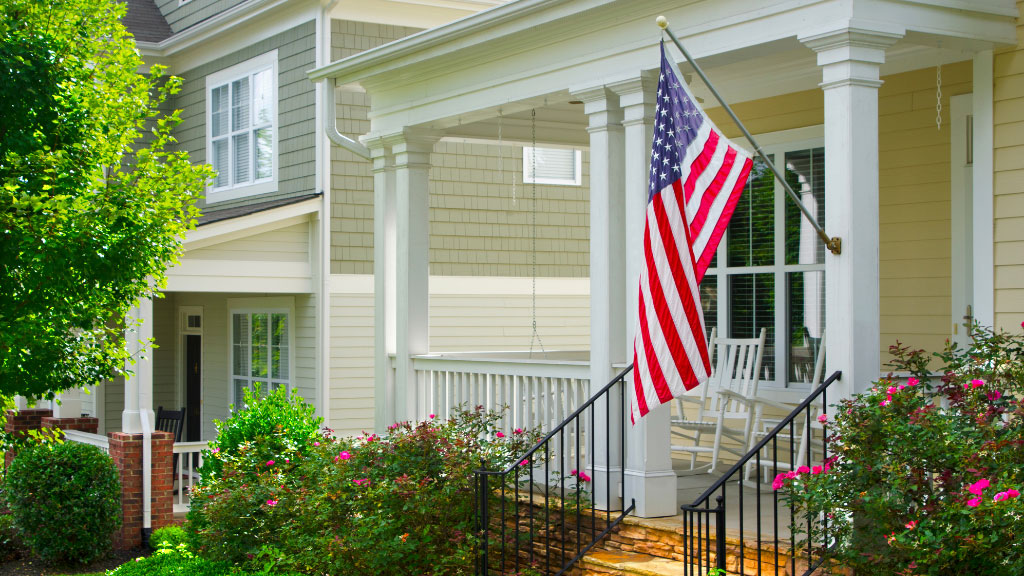
Home sale
Many families use the proceeds from selling or renting a home. Plan the timing of the sale around the move-in date.

Insurance, Medicare, and Medicaid
Long-term care insurance doesn’t pay for independent living itself, but may pay for in-home care later. Medicare doesn’t pay for independent living, and Medicaid doesn’t pay rent or room and board. In some cases, part of what you pay may count as a medical expense for taxes (IRS Publication 502).
Related Patriot Angels guides
 GuideHow Veterans Pay for Independent LivingComing soon
 Guide2026 Aid and Attendance Benefit RatesRead guide →
Could Aid & Attendance Help Cover Care?
For veterans and surviving spouses who need help with daily activities, VA Aid & Attendance provides up to $3,845 a month in tax-free assistance toward care. It does not pay independent living rent by itself.
Prefer to talk it through? Call (844) 757-3047
How to Choose an Independent Living Community
Start with what your loved one wants day to day: location, size of home, activities, dining, and budget. Then visit a few communities, join a meal or activity, and talk with residents. Bring these questions.
Costs and contract
- What does the monthly rate include, and what costs extra?
- Is there a one-time community or move-in charge?
- How much notice is required to move out?
Daily life
- How many meals are included?
- Can I see this month’s activity calendar and menu?
- What transportation is available?
Care if needs change
- Can residents bring in in-home care if they need it?
- Is assisted living or memory care on site?
- What happens to my residence if I need more care?
Community and safety
- Are there veteran groups or other veterans living here?
- Are pets allowed?
- Is staff on site 24 hours a day?
Related Patriot Angels guides
 GuideQuestions to Ask When Touring Independent LivingComing soon
Tips for Moving to Independent Living
Planning the move together, and early, makes the change feel exciting rather than overwhelming.
Try it out
Ask about short stays or guest suites so your loved one can try the lifestyle first.
Downsize in stages
Start months ahead, room by room, and keep what fits the new home. Measure furniture and plan the layout before moving day.
Plan the home sale
Line up the timing of a sale with the move-in date.
Get paperwork in order
Gather DD-214 and financial records now, so a VA benefit claim is easier if care needs change later.
Say yes early, and keep old ties
Join activities and meals in the first weeks, and stay in touch with friends, veteran groups, and places of worship.
Related Patriot Angels guides
 GuideDownsizing Tips for Veterans and Their FamiliesComing soon
Partner Independent Living Communities
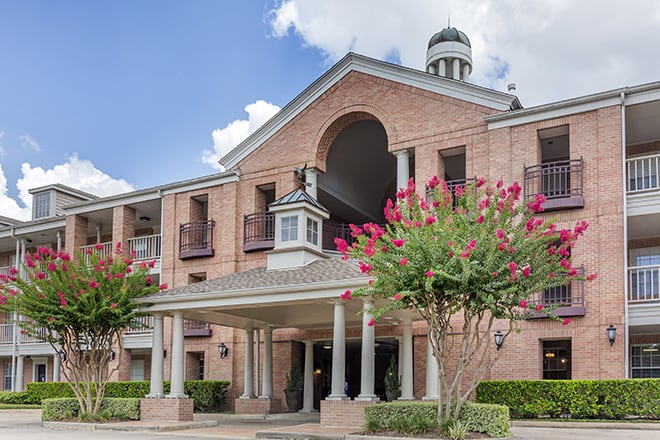
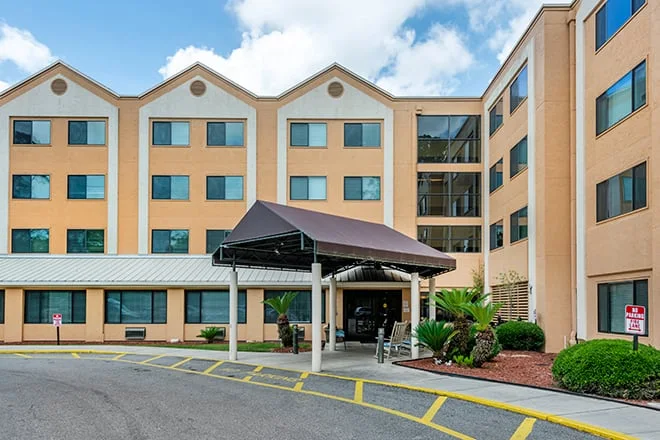
We work with 1,060 independent living partner communities across 48 states. Here are a few, from coast to coast.




Veteran Families We’ve Helped
Rated 4.9 on Google from 465 reviews. BBB A+ accredited. See all reviews
Independent Living and VA Benefits FAQ
What’s the difference between independent living and assisted living?
Independent living is for people who don’t need help with daily activities; it offers housing, services, and social life. Assisted living adds personal care, like help with bathing, dressing, and medications.
Does Aid and Attendance pay for independent living?
Not by itself. Aid and Attendance is for veterans and surviving spouses who need help with daily activities, and independent living is generally for people who don’t. If a resident starts paying for care, such as in-home care or assisted living, Aid and Attendance may help with those costs.
Does Medicare pay for independent living?
No. Medicare doesn’t pay rent or for long-term custodial care. It keeps covering medical care like doctor visits and hospital stays.
Does Medicaid pay for independent living?
No, Medicaid doesn’t pay rent or room and board. In some states it may pay for care services delivered at home if you qualify.
How much does independent living cost?
It depends on location, the size of the residence, and what’s included. Ask each community for a written breakdown. See what independent living costs.
Is there an age requirement?
Most communities are for people 55 or 62 and older. Age-restricted communities must follow federal fair housing rules for housing for older persons.
Can I get care in independent living?
Independent living doesn’t include care, but residents can usually bring in in-home care. Some campuses also offer assisted living or memory care on site.
Does a veteran need to have served in combat to qualify for VA pension benefits?
No. Many veterans who served stateside during wartime periods may still meet the service requirements.
Independent Living by State
Choose a state to see independent living near you. Numbers show partner communities.
Top cities
Other Types of Care

Assisted Living
Apartment-style living with help for daily tasks like bathing, dressing, and medications.

Memory Care
A secure setting with dementia-trained staff for people living with Alzheimer’s or another dementia.

In-Home Care
Caregiver support at home, so your loved one can stay in familiar surroundings longer.