VA MEMORY CARE BENEFITS AND PROGRAMS

Veterans living with Alzheimer’s or dementia may qualify for VA benefits that help cover memory care costs.

See if You Qualify for VA Benefits

Free consultation. No obligation.

Does the VA Help Pay for Memory Care for Veterans?

Veterans living with Alzheimer’s disease or other forms of dementia may qualify for VA benefits that help cover the cost of memory care. Through programs offered by the Department of Veterans Affairs, eligible veterans and surviving spouses may receive financial assistance, health care services, or pension benefits that can be used to pay for specialized dementia care.

These benefits can help families afford the support their loved ones need in memory care communities or other long-term care settings.

Veteran receiving memory care assistance

Key Takeaways

  1. Memory care can be expensive for veterans and their families, making it important to understand which VA benefits may help offset the cost of long-term care.
  2. Memory care communities provide structured supervision and dementia support for individuals living with Alzheimer’s disease or other forms of cognitive decline.
  3. Several VA benefits may help pay for memory care, including Aid and Attendance, VA Pension, Survivors Pension, and military retirement income.
  4. Eligibility for VA benefits depends on service, medical, and financial requirements, which can vary based on each veteran’s circumstances.
  5. Applying for VA benefits requires documentation, including military service records, medical evidence, and financial information.
  6. Families often have common questions about memory care and VA benefits, including how much assistance may be available and who may qualify.
  7. Explore VA memory care benefits by state to learn how care costs and local options may vary where you live.

What Memory Care Communities Provide

Memory care communities are designed specifically for individuals living with Alzheimer’s disease or other forms of dementia. These communities provide structured environments, specialized staff training, and daily supervision to help ensure residents remain safe while receiving the support they need.

Secure and Structured Living Environments

Many individuals living with dementia experience confusion, wandering, or difficulty navigating unfamiliar environments. Memory care communities are designed with safety in mind, often featuring secured entrances, monitored common areas, and layouts that help residents move through the space safely.

These environments allow residents to maintain as much independence as possible while ensuring they remain protected from situations that could place them at risk.

Secure memory care community environment

Dementia-Trained Care Staff

Staff members in memory care communities typically receive specialized training in dementia care. This training helps caregivers understand how cognitive decline affects behavior, communication, and daily routines.

Care teams are trained to provide compassionate assistance while helping residents remain calm, comfortable, and supported throughout the day.

Dementia trained caregivers assisting a resident

Assistance With Daily Living Activities

Many residents in memory care communities require assistance with activities of daily living such as bathing, dressing, medication management, and mobility. Care teams help residents complete these tasks safely while maintaining dignity and independence whenever possible.

This daily support is one reason many veterans living in memory care communities may meet the medical eligibility requirements for Aid and Attendance benefits.

Caregiver assisting a senior with daily activities

Structured Daily Activities and Cognitive Support

Memory care communities often provide structured daily routines that include cognitive activities, social engagement, and therapeutic programs designed for individuals living with dementia.

These structured routines help reduce anxiety and confusion while promoting mental stimulation and emotional well-being.

Residents participating in memory care activities

VA Pension Benefits for Memory Care

For many veterans and surviving spouses, VA pension programs provide one of the most important financial resources for paying for memory care. These monthly benefits can help offset the cost of assisted living, memory care communities, and other long-term care services. Depending on eligibility, veterans and their families may be able to use pension benefits to help cover a wide range of care-related expenses.

Aid and Attendance

The Aid and Attendance benefit provides additional monthly income on top of an existing VA Pension or Survivors Pension for veterans and surviving spouses who require help with daily activities. This enhanced benefit is often used to help cover the cost of long-term care, including memory care communities and assisted living settings.

To qualify, a veteran or surviving spouse must meet specific service, financial, and medical eligibility requirements. Individuals who require assistance with activities such as bathing, dressing, medication management, or mobility may qualify for this additional benefit.

Because memory care often involves ongoing supervision and support with daily living activities, Aid and Attendance can play a significant role in helping families afford specialized dementia care.

Learn more about Aid & Attendance
Veteran receiving daily assistance

VA Pension

The VA Pension program provides monthly payments to wartime veterans who meet certain age, disability, service, and financial eligibility requirements. These funds can be used for many types of living expenses, including the cost of memory care or other long-term care services.

Because the benefit is paid directly to the veteran, it offers flexibility in how the money is used. Families often apply these monthly payments toward assisted living communities, memory care facilities, or in-home care services that support veterans living with dementia.

Veteran receiving memory care support

Survivors Pension

Surviving spouses of wartime veterans may also qualify for financial assistance through the VA Survivors Pension. This benefit provides monthly income to eligible spouses who meet financial and eligibility requirements established by Congress.

Like the VA Pension program, Survivors Pension payments can be used to help cover the cost of memory care, assisted living, or other long-term care services for spouses who require support due to Alzheimer’s disease or other forms of dementia.

Senior receiving memory care support

Military Retirement Pay

Veterans who served long enough to qualify for military retirement may also receive a monthly military pension. This retirement pay is based on years of service and other factors determined by the Department of Defense.

Military retirement pay can be used for any personal expenses, including the cost of memory care, assisted living, or other long-term care services that veterans may need later in life.

Retired veteran receiving pension

Eligibility Requirements for VA Benefits

Veterans and surviving spouses may qualify for VA pension benefits that can help offset the cost of memory care when certain service, medical, and financial requirements are met. Understanding these eligibility factors can help families determine whether VA benefits may provide monthly financial assistance for long-term care.

Service Requirements

To qualify for VA pension benefits that may help pay for memory care, the veteran must have served during a recognized wartime period and meet certain minimum service requirements established by federal law.

In most cases, veterans must have served at least 90 days of active duty with at least one day during an official wartime period. Veterans who entered active duty after September 7, 1980 generally must have served at least 24 months or the full period for which they were called to active duty.

The veteran must also have received a discharge that was other than dishonorable. Importantly, a veteran does not need to have served in combat to qualify. Many veterans who served stateside during wartime periods may still meet the service requirements for VA pension benefits.

Medical and Care Needs

Aid and Attendance benefits are intended for veterans and surviving spouses who require assistance with everyday activities or who need supervision due to health conditions that affect their ability to live independently.

Many individuals living in memory care communities qualify because dementia and cognitive decline often create the need for ongoing supervision and daily support.

A veteran or surviving spouse may qualify if they require assistance with activities of daily living such as bathing, dressing, eating, mobility, or personal hygiene. Eligibility may also apply when individuals require regular supervision due to cognitive impairment, including Alzheimer’s disease or other forms of dementia.

Individuals who live in a protected care environment such as an assisted living or memory care community may also meet the medical eligibility criteria, since these environments provide structured supervision and daily assistance.

Financial Requirements

In addition to service and medical criteria, the VA evaluates financial eligibility when determining qualification for pension benefits. The VA reviews a veteran’s income, assets, and certain medical expenses when reviewing an application.

Veterans whose financial resources fall within the program’s guidelines may qualify for monthly pension payments that can help offset the cost of long-term care services, including memory care.

The VA currently applies a net worth limit that includes both countable assets and annual income. However, many care-related expenses — including assisted living or memory care costs — may be deducted when determining eligibility.

The VA also applies a three-year look-back period when reviewing asset transfers. Because financial eligibility calculations can be complex and depend on each family’s individual circumstances, many veterans and surviving spouses choose to work with accredited professionals who understand the VA benefits application process.


How to Apply for VA Benefits That Help Pay for Memory Care

Veterans and surviving spouses who may qualify for VA pension benefits — including Aid and Attendance — must complete an application through the Department of Veterans Affairs. Because these benefits are commonly used to help pay for long-term care, including assisted living or memory care communities, the VA reviews each application carefully to determine whether the veteran meets the required service, medical, and financial criteria.

Step 1

Gather Military Service Records

The VA will first verify the veteran’s military service. Applicants typically need to provide documentation such as the veteran’s DD-214 or other official discharge records. These records confirm the veteran’s service dates, discharge status, and wartime eligibility.

Military service records and application documents

Step 2

Provide Medical Documentation

Applicants must provide medical evidence showing that the veteran or surviving spouse requires assistance with daily living activities or supervision due to health conditions. This documentation may include physician statements, care assessments, or medical records describing cognitive impairment, mobility limitations, or other care needs.

Medical documentation for VA benefits application

Step 3

Submit Financial Information

The VA reviews income, assets, and certain medical expenses when evaluating eligibility for pension benefits. Applicants may need to submit financial statements, income documentation, and records of care-related expenses such as assisted living or memory care costs.

Financial documents for VA benefits review

Step 4

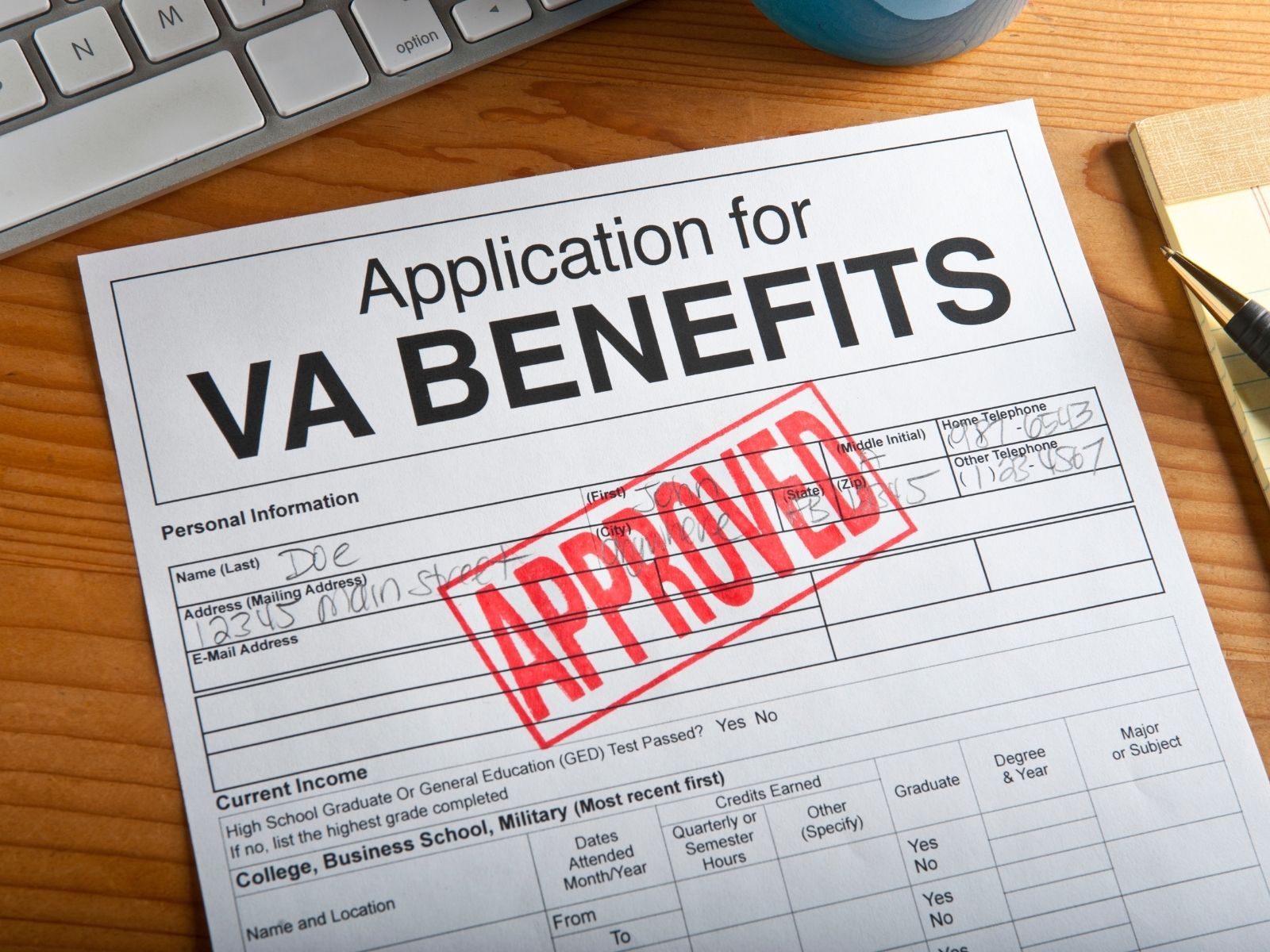
Complete and Submit the VA Application

Once the required documentation is gathered, the application can be submitted to the Department of Veterans Affairs for review. Processing times may vary depending on the complexity of the application and the documentation provided.

Submitting a VA benefits application

Step 5

VA Application Review and Determination

After submission, the VA reviews the application to determine whether the veteran or surviving spouse meets the eligibility requirements for pension benefits and any additional benefits such as Aid and Attendance. If approved, monthly payments may be used to help offset the cost of long-term care services, including memory care.

VA review and benefits determination process

Aid & Attendance Help

Find Out Whether Aid & Attendance Can Help Pay for Memory Care

Aid & Attendance can provide monthly tax-free income that helps many veterans and surviving spouses cover the cost of memory care. Our team helps families determine eligibility and guides them through the VA benefits process step by step.

Free consultation. No obligation.

Frequently Asked Questions

The amount of financial assistance a veteran may receive depends on several factors, including income, number of dependents, and which VA programs they qualify for. Some veterans may receive modest monthly benefits, while others may qualify for larger payments through programs such as VA Pension or Aid and Attendance.

In some cases, surviving spouses may qualify for financial assistance through the Survivors Pension program. Eligibility depends on factors such as the veteran’s service history and the spouse’s financial circumstances.

Yes. VA financial benefits such as VA Pension and Aid and Attendance can typically be used for long-term care expenses, including assisted living, memory care communities, or in-home care services.

The VA offers several programs that may help veterans living with dementia. These can include access to VA health care services, caregiver support programs, home-based care assistance, and disability compensation depending on eligibility.

Disability ratings for dementia vary depending on how severely the condition affects daily functioning. Lower ratings may apply when symptoms are mild, while higher ratings may be assigned when a veteran requires significant assistance with everyday activities.

VA doctors may evaluate dementia using cognitive screening tests, medical examinations, lab tests, and imaging studies. Physicians may also review symptoms, medications, and medical history to determine the most accurate diagnosis.

Explore VA Memory Care Options by State

While federal VA benefits such as Aid and Attendance, VA Pension, and Survivors Pension follow the same basic eligibility rules nationwide, the cost of memory care can vary significantly from one state to another. Explore the pages below to learn more about VA memory care benefits in each state, including how these benefits may help offset long-term care costs for veterans and surviving spouses.

VA Memory Care Benefits in Alabama VA Memory Care Benefits in Alaska VA Memory Care Benefits in Arizona VA Memory Care Benefits in Arkansas VA Memory Care Benefits in California VA Memory Care Benefits in Colorado VA Memory Care Benefits in Connecticut VA Memory Care Benefits in Delaware VA Memory Care Benefits in Florida VA Memory Care Benefits in Georgia VA Memory Care Benefits in Hawaii VA Memory Care Benefits in Idaho VA Memory Care Benefits in Illinois VA Memory Care Benefits in Indiana VA Memory Care Benefits in Iowa VA Memory Care Benefits in Kansas VA Memory Care Benefits in Kentucky VA Memory Care Benefits in Louisiana VA Memory Care Benefits in Maine VA Memory Care Benefits in Maryland VA Memory Care Benefits in Massachusetts VA Memory Care Benefits in Michigan VA Memory Care Benefits in Minnesota VA Memory Care Benefits in Mississippi VA Memory Care Benefits in Missouri VA Memory Care Benefits in Montana VA Memory Care Benefits in Nebraska VA Memory Care Benefits in Nevada VA Memory Care Benefits in New Hampshire VA Memory Care Benefits in New Jersey VA Memory Care Benefits in New Mexico VA Memory Care Benefits in New York VA Memory Care Benefits in North Carolina VA Memory Care Benefits in North Dakota VA Memory Care Benefits in Ohio VA Memory Care Benefits in Oklahoma VA Memory Care Benefits in Oregon VA Memory Care Benefits in Pennsylvania VA Memory Care Benefits in Rhode Island VA Memory Care Benefits in South Carolina VA Memory Care Benefits in South Dakota VA Memory Care Benefits in Tennessee VA Memory Care Benefits in Texas VA Memory Care Benefits in Utah VA Memory Care Benefits in Vermont VA Memory Care Benefits in Virginia VA Memory Care Benefits in Washington VA Memory Care Benefits in West Virginia VA Memory Care Benefits in Wisconsin VA Memory Care Benefits in Wyoming

Sources and References

The information on this page is based on publicly available resources from the U.S. Department of Veterans Affairs and recognized organizations that track senior care costs and dementia care services.